Top Union Valves Suppliers for Global Procurement Needs?
In today's global market, the demand for reliable and high-quality Union Valves is on the rise. These essential components play a critical role in various industries, from oil and gas to water treatment. Selecting the right suppliers is crucial for ensuring operational efficiency and safety. Many providers claim to offer the best, but how can buyers distinguish the truly reliable ones?
Quality assurance and innovation are cornerstones of top Union Valves suppliers. Buyers should consider companies with a proven track record. This experience often translates into better product performance and customer support. Suppliers that prioritize research and development can drive improvements in valve technology, resulting in extended service life and enhanced reliability.
However, not all suppliers are created equal. Some may have limited experience or inconsistent quality control. It is vital to assess potential partners carefully. Scrutinizing their certifications, customer reviews, and industry reputation can provide valuable insights. Navigating the selection process may seem daunting, but it is essential to make informed decisions for procurement needs.
Overview of Union Valves and Their Importance in Global Procurement
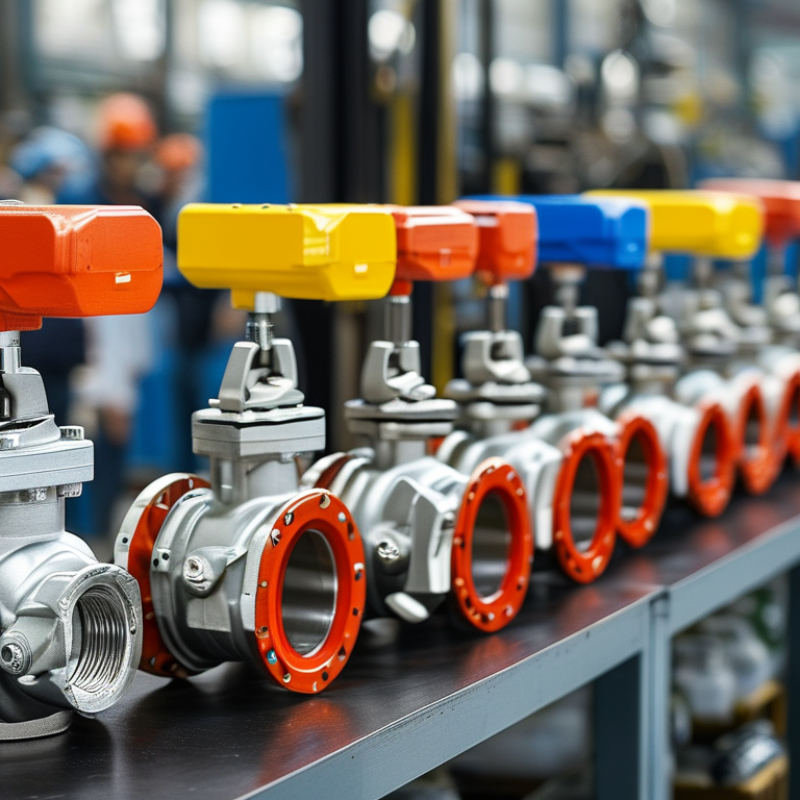
Union valves play a crucial role in various industrial applications. They enable efficient control of fluid flow, which is vital for operations in sectors like oil and gas, water treatment, and chemical processing. These valves help maintain pressure and improve performance, ensuring that processes run smoothly. Their reliability and functionality make them essential components in global procurement strategies.
Selecting union valve suppliers is not without challenges. Businesses often struggle with varying quality standards and compliance requirements. It's important to research suppliers who prioritize durability and efficiency in their products. Many suppliers offer a wide range of materials and sizes, catering to specific needs. However, not all suppliers meet the same level of quality assurance.
Investing time in thorough evaluations can mitigate risks. Buyers should consider suppliers with proven track records and industry expertise. Validating credentials and seeking reviews can lead to better procurement decisions. The complexity of global supply chains also demands vigilance. It's essential to recognize the importance of choosing dependable partners who provide timely services and support.
Top Union Valves Suppliers for Global Procurement Needs
This bar chart illustrates the market share percentages of various types of union valves used globally in different industries. The data represents the importance of these valves in global procurement efforts.
Criteria for Selecting Top Union Valve Suppliers Worldwide
When evaluating union valve suppliers for global procurement, certain criteria must guide the decision-making process. Experience in the industry is a key factor. Suppliers with a proven track record show they understand market demands. According to a recent industry report, suppliers that have been in the market for over 10 years demonstrate higher reliability in product quality. This experience often translates into better customer service and support systems.
Another critical aspect is the range of products offered. Top suppliers should provide various valve types, catering to different applications. A supplier that can meet varied industry standards, including ANSI and API, brings significant value. Reports indicate that over 70% of companies prefer suppliers who can provide customized solutions. This flexibility can lead to more efficient procurement processes and ensure that specific project needs are met.
Quality certifications play a crucial role as well. Suppliers with ISO certifications often deliver superior products. However, reviewing these certifications is essential. Some suppliers may only highlight their certificates without maintaining consistent quality control. Transparency in quality assurance processes reinforces trust and reliability. It's vital to choose suppliers that not only promise quality but also provide clear evidence of their commitment.
Leading Union Valve Manufacturers: A Global Perspective
Union valves play a critical role in various industries, providing essential connections and safe fluid handling. The manufacturers of these valves differ globally in terms of design, materials, and technology.
These variations foster innovation, making it crucial for buyers to understand their options.
When exploring suppliers, prioritize those that demonstrate expertise in manufacturing high-quality union valves. Research their production processes, materials used, and industry certifications. A supplier's experience and reputation can significantly impact your procurement success.
Finding the right valve for your needs can be challenging. Each application may require specific materials, pressure ratings, or design features. Assessing the operational environment is important.
Will your valves be exposed to corrosive substances? Are there high-pressure requirements? These factors should guide your decision-making process.
Consider asking suppliers for case studies or references from previous clients. This tactic helps confirm their reliability and competence in serving your specific requirements. An informed choice can lead to reduced downtime and enhanced operational efficiency.
Comparative Analysis of Supplier Offerings and Services
In today's global market, evaluating union valve suppliers critically affects procurement decisions. A recent industry report from the Global Valves and Actuators Market indicated that the sector is poised for substantial growth, estimated at a CAGR of 5.7% through 2026. This growth demands careful consideration of supplier offerings and their service capabilities.
Many suppliers present diverse valve types, including ball, gate, and globe valves. However, differences in quality, pricing, and lead times often emerge. For instance, while some suppliers boast a high percentage of on-time delivery (over 90%), others struggle, compromising production schedules. The issue of after-sales service also varies significantly. Suppliers with responsive customer support report higher satisfaction rates, yet many do not prioritize this aspect.
Another critical factor is compliance with industry standards. A sizable portion of procurement professionals highlights that adherence to certifications, like ISO and API, remains inconsistent among suppliers. This inconsistency raises concerns about the reliability of products in crucial applications. Reflecting on these discrepancies can lead to insightful procurement strategies that balance price, quality, and reliability. This detailed approach will better serve the unique needs of various industries.
Future Trends in Union Valves Supply Chain and Procurement Needs
The landscape of union valves supply is evolving rapidly. As industries focus on sustainability, suppliers need to adapt. The shift towards eco-friendly materials and processes is gaining momentum. Companies must prioritize sourcing valves that reduce environmental impact. This change is not just a trend; it's essential for compliance and market competitiveness.
The procurement process itself is also undergoing transformation. Digital tools are helping streamline the supply chain. Real-time data analysis can enhance decision-making. However, reliance on technology brings challenges. Companies may overlook the importance of human insight. Balancing automation with personal expertise is vital for effective procurement.
Looking ahead, collaboration among suppliers is crucial. Sharing best practices and resources can strengthen the entire supply chain. Yet, not all suppliers embrace this ethos. Some remain hesitant to innovate, which could limit their growth. Active engagement in industry forums can drive change. It’s a wake-up call for all stakeholders in the union valves market.