How to Choose the Best Air Valve Ball for Your Needs?
Choosing the right Air Valve Ball can significantly impact your system's efficiency. A report from the American Valve Manufacturers Association highlights that improper valve selection can lead to a 15% increase in energy costs. This statistic emphasizes the importance of making informed decisions when selecting air valve balls.
Air valve balls come in various materials, sizes, and designs, each suitable for different applications. The right choice depends on factors such as pressure ratings and fluid compatibility. For example, a high-pressure system may require a reinforced ball to prevent blowouts. However, many users overlook these details, leading to system failures.
Additionally, not every vendor provides reliable products. It is crucial to research suppliers and read customer reviews. A 2022 market survey revealed that around 30% of customers faced issues due to low-quality components. Thus, taking the time to compare options is essential for long-term performance.
Understanding Different Types of Air Valve Balls Available in the Market
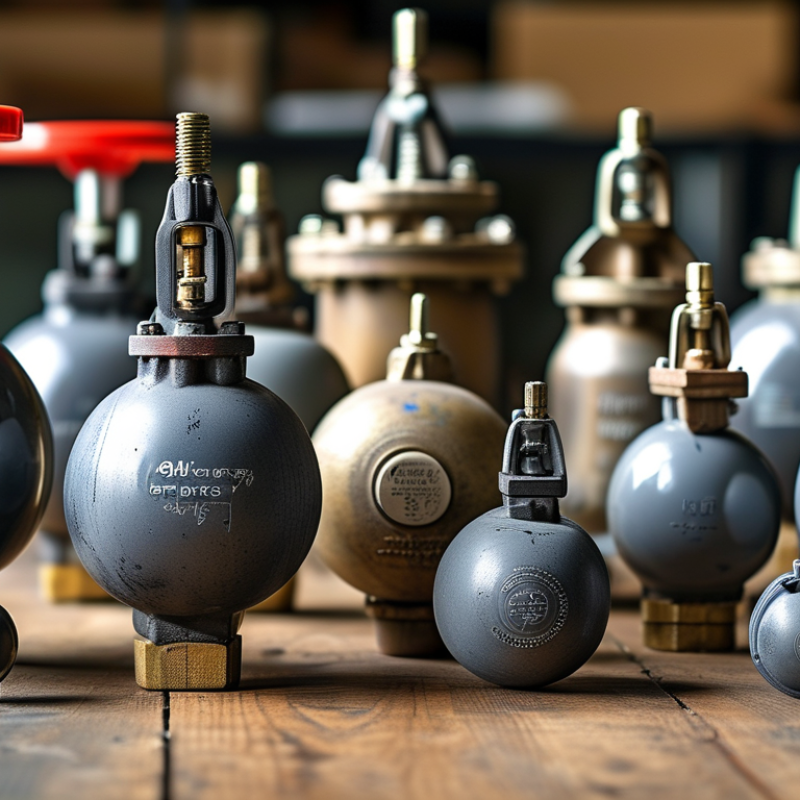
When selecting an air valve ball, understanding the different types available is pivotal. Common materials include brass, stainless steel, and plastic. Each material offers unique benefits and applications. According to industry reports, brass balls are preferred in plumbing due to their corrosion resistance, while stainless steel options excel in high-pressure environments.
Different valve designs impact performance. Floating ball valves provide a tighter seal. They rely on pressure for sealing, making them effective in lower-pressure systems. Trunnion-mounted balls offer stability and are typically used in larger pipeline systems. Data shows that trunnion designs reduce friction and enhance flow efficiency in these applications.
Performance characteristics also vary by type. Flow rate, pressure rating, and temperature tolerance are critical factors. Some valves perform well at high temperatures but fail at lower pressures. It’s essential to consult manufacturer specifications and industry guidelines to avoid costly mistakes. While options are abundant, assessing your specific needs will lead to better choices. Remember, the right air valve ball is vital for system efficiency and durability.
Key Factors to Consider When Selecting an Air Valve Ball
When selecting an air valve ball, consider several key factors to ensure you make the right choice. The material of the valve ball is crucial. Common materials include stainless steel, plastic, and brass. Each material has its strengths and weaknesses. For instance, stainless steel is durable but can be heavy. Plastic is lightweight, yet may not withstand high pressures.
Flow rate is another essential consideration. It dictates how quickly air moves through the valve. A lower flow rate can lead to inefficiency, while too high a flow may cause noise or vibration. Assess your system’s requirements to determine the ideal flow rate for your application.
**Tips:** Always check the pressure ratings of the valve ball. If it's too low, it might fail in high-pressure environments. Try to find user reviews or consult experts. Their experience can help you avoid common pitfalls.
The valve ball's size also matters. A misfit can cause leaks or operational issues. Measure existing fittings carefully, and consult with a specialist if unsure. Don’t compromise on quality; it can save time and costs in the long run. The right choice leads to better performance and reliability in any system.
Comparison of Key Factors When Choosing an Air Valve Ball
Material Choices: Options and Their Impact on Performance
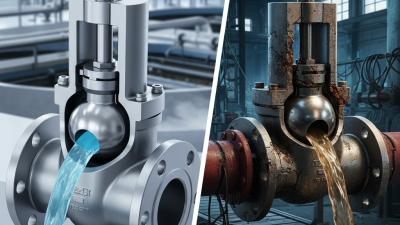
Choosing the right material for an air valve ball is crucial. The material can greatly affect performance, durability, and cost. Common materials include brass, stainless steel, and plastic. Each has unique benefits and drawbacks.
Brass offers excellent corrosion resistance and is often used in applications with higher pressure. However, it can be heavier and more expensive. Stainless steel is another popular choice due to its strength and resilience against harsh environments. Yet, it can lead to higher costs and may require protective coatings in certain cases. Plastic is lightweight and cost-effective but may not stand up to extreme temperatures.
When selecting a material, consider tips like evaluating the environment where the valve will be used. Will it face corrosive substances? A stainless steel ball could be the answer. Also, think about the required pressure. Some materials perform better under specific conditions.
It's important to reflect on your specific needs. Overspending on premium materials might not be necessary in less demanding environments. On the other hand, cheap materials may fail prematurely, leading to extra costs. Take the time to weigh your options thoroughly before making a final choice.
Sizing and Compatibility: Ensuring the Right Fit for Your System
When selecting an air valve ball, sizing and compatibility are crucial. A proper fit ensures optimal performance. Measure the dimensions of your system carefully. Common sizes vary, so take time to find the right one. Assess the flow requirements for your specific application as well.
Compatibility with the existing system is equally important. Consider the materials used in your air valve ball. Different materials offer various levels of durability and resistance. Always consult manufacturer specifications before making a decision. It’s worth noting that mismatched components may lead to leaks or system failure.
Do not overlook the installation process. Even a perfectly sized valve may fail if poorly installed. Seek guidance on best practices, or consider consulting a professional. Ensuring accuracy in all these stages can save time and prevent future issues. Reflection on past experiences can also guide your choices.
Maintenance and Longevity: Choosing an Air Valve Ball for Durability
Choosing an air valve ball with durability in mind is crucial for long-term performance. The material of the valve ball plays a key role. Common materials include metals and polymers. Each has its pros and cons. Metal balls are often stronger, but can corrode over time. Plastic balls are resistant to chemicals but may wear down quicker under high pressure.
Inspecting the design is equally important. Look for features that enhance strength. Reinforced structures can provide extra support. A smooth surface reduces friction, allowing for better operation. Regular maintenance can extend the life of the valve ball. Cleaning and checking for wear should be part of your routine.
It's easy to overlook the small details. A slight misalignment can lead to significant issues later. Many users find themselves replacing valves sooner than expected due to neglect or poor choices. Investing time in understanding your specific needs can save money and headaches down the road.