Why Choose the Right Ball Valve Body for Your Applications?
Choosing the right Ball Valve Body is crucial for efficient operations in various industrial applications. Experts emphasize the importance of this choice. John Smith, a well-known valve technology expert, once remarked, "The performance of any valve system hinges significantly on its body design." This insight highlights the critical link between design and functionality.
Ball valves are essential for controlling fluid flow. Their performance depends on the material and design of the Ball Valve Body. Selecting the appropriate body can enhance durability and efficiency. However, failures often stem from poor choices. Industry data shows that many valves fail prematurely due to inappropriate body materials. So, decision-makers must weigh options carefully.
It's common to overlook the specifics of Ball Valve Body selection. Many assume all valves are created equal. This misconception can lead to serious operational issues. A detailed analysis of the application and environment is necessary. Taking time to reflect on valve choices can prevent costly mistakes. Understanding the nuances of Ball Valve Body design can empower better decisions.
Factors to Consider in Selecting Ball Valve Body Material
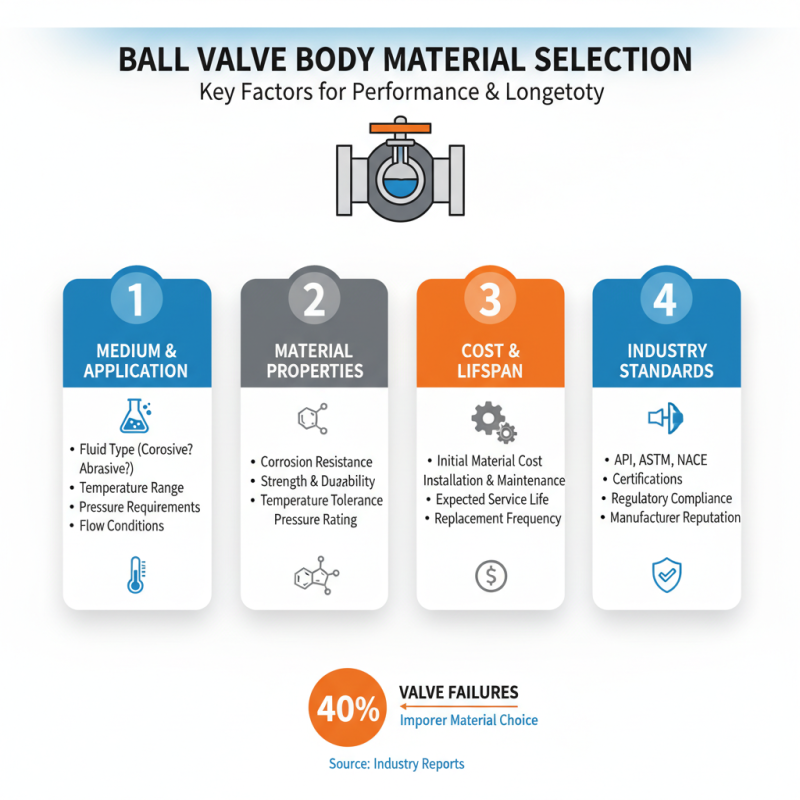
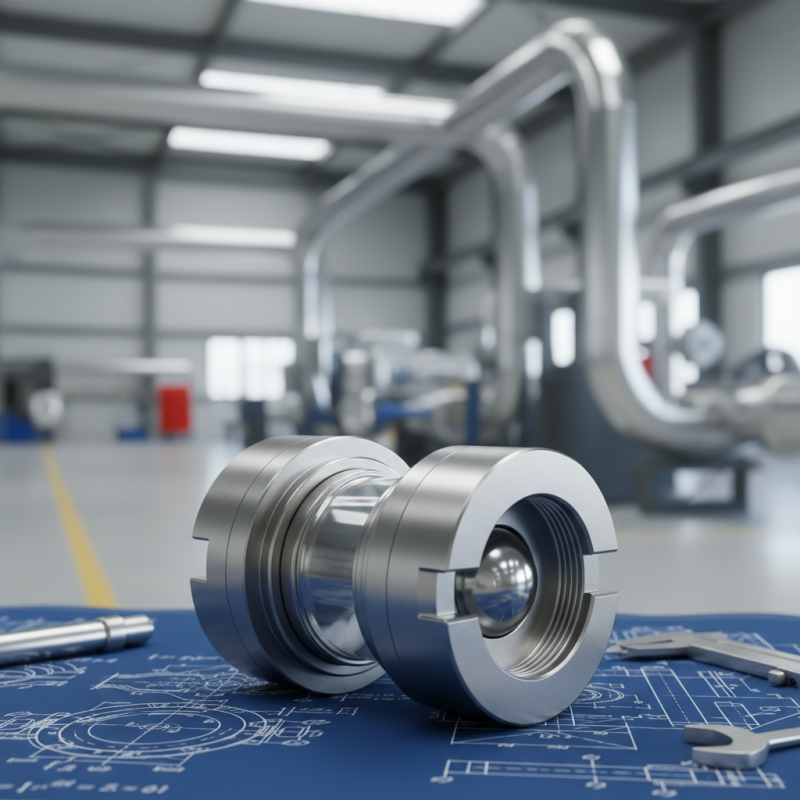
Selecting the right ball valve body material is crucial for optimal performance and longevity in various applications. The material directly affects durability, resistance to corrosion, and overall efficiency. Industry reports indicate that up to 40% of valve failures are linked to improper material choice. Therefore, understanding material properties is essential for engineers and procurement specialists.
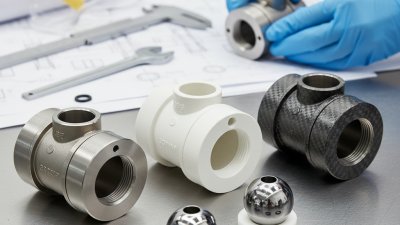
Stainless steel, for instance, offers excellent corrosion resistance and is widely regarded in the industry. It is suitable for harsh environments. However, it can be more expensive than alternatives. On the other hand, PVC ball valves are cost-effective and lightweight. They excel in certain chemical applications but may not withstand high temperatures. Experts emphasize the need for a careful balance between cost and performance.
A less discussed factor is the environment where the valve operates. Temperature fluctuations can lead to material fatigue. For instance, a valve in a high-pressure steam system faces different stresses than one in a water application. Engineers must account for these conditions when making selections. Ignoring these nuances can result in costly failures and downtime, which are often overlooked in the decision-making process.
Types of Ball Valve Bodies and Their Applications
Choosing the right ball valve body is critical in various applications. Different materials suit specific needs in industries ranging from oil and gas to water treatment. The most common types include brass, stainless steel, and PVC. Each type has unique strengths and weaknesses. For instance, stainless steel is ideal for high-pressure applications but can be costly. Brass is often used in plumbing due to its durability and resistance to corrosion.
Understanding the application helps in selecting the appropriate ball valve body. A report by MarketsandMarkets indicates that the global ball valve market is expected to reach $13.8 billion by 2025, driven by increasing demand in various sectors. This growth highlights the importance of making informed choices about valve materials and designs.
Tip: Always consider the fluid type when selecting a valve. Chemicals can react differently with materials.
Another key factor is temperature and pressure. PVC, while cost-effective, can deform under high temperatures. Conversely, stainless steel withstands extreme conditions but needs careful handling.
Tip: Ensure your selection matches the operational parameters. This can prevent costly failures.
Not every choice will be perfect. It's essential to evaluate potential drawbacks and revisit your selections periodically. The right ball valve body can enhance efficiency and safety, contributing to overall project success.
Impact of Pressure and Temperature on Ball Valve Selection
Choosing the right ball valve body is crucial for ensuring optimal performance in various applications. One key factor to consider is the impact of pressure and temperature. High-pressure environments often require robust materials to withstand the stress. Conversely, low-pressure systems may allow for lighter materials, but temperature extremes complicate the selection.
In applications exposed to high temperatures, thermal expansion can affect valve integrity. This could lead to leaks if inappropriate materials are used. For instance, materials like stainless steel perform well under heat. But at extreme temperatures, even they may falter. Always consider the compatibility of materials with the specific fluids or gases in your system.
Tips: For high-pressure applications, consider a two-piece or three-piece ball valve for added strength. Regular assessments can help identify potential wear. Monitor system conditions closely to ensure you're using suitable valve bodies.
Maintenance and Durability of Different Ball Valve Bodies
When selecting a ball valve body, maintenance and durability are key considerations. Different materials offer varying levels of performance under stress. For example, according to a recent industry report by the Valve Manufacturers Association, stainless steel valves can withstand higher temperatures and pressures compared to plastic ones. However, this comes at a higher initial cost.
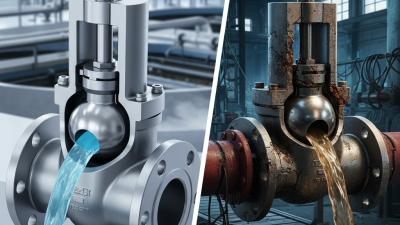
In aggressive environments, such as chemical processing, the choice of valve body is crucial. A 2020 study found that nearly 30% of valve failures are due to material degradation in harsh conditions. This emphasizes the need for regular inspection and maintenance. The right selection not only extends the lifespan but also minimizes downtime and repair costs.
Durability also depends on the design and manufacturing quality. A well-designed ball valve body can resist wear and tear from repeated use. Research indicates that valves with enhanced sealing technologies last up to 50% longer than their conventional counterparts. Understanding these nuances helps engineers make informed choices that ensure reliable performance and safety in critical applications.
Why Choose the Right Ball Valve Body for Your Applications? - Maintenance and Durability of Different Ball Valve Bodies
| Ball Valve Body Material |
Durability (Years) |
Maintenance Frequency (Months) |
Temperature Range (°C) |
Best Applications |
| Stainless Steel |
15-20 |
12 |
-40 to 200 |
Chemical Processing, Oil & Gas |
| Carbon Steel |
10-15 |
18 |
-29 to 200 |
Water Supply, HVAC |
| PVC |
5-10 |
24 |
-10 to 60 |
Water Treatment, Irrigation |
| Brass |
10-15 |
12 |
-20 to 80 |
Plumbing, Air Conditioning |
| Titanium |
20+ |
24 |
-250 to 600 |
Aerospace, Marine Applications |
Cost Considerations When Choosing Ball Valve Body Materials
Choosing the right ball valve body material plays a significant role in cost management. Various materials, like stainless steel, brass, and PVC, come with different price points.
Stainless steel offers durability but often at a higher cost. Brass is a good middle-ground, balancing durability and price.
PVC is the least expensive but may not hold up under high pressure or extreme temperatures.
When selecting a material, consider the specific application. The environment and the type of fluids passing through the valve impact performance. A cheaper material may save money initially but can lead to failures and maintenance costs later. This might force unplanned downtime. Think about the long-term implications. Over time, those initial savings can disappear.
It’s critical to assess the trade-offs between cost and quality. While a low-cost option may seem appealing, it’s essential to examine the total cost of ownership. Investing in a reliable valve may prevent costly shutdowns in the future. Sometimes, the right choice isn’t the most obvious one. Balancing budget and performance demands careful thought.