How to Choose the Right Stainless Valve Body for Your Needs?
Selecting the appropriate stainless valve body is critical for various applications. Expert John Smith, a leading authority in fluid dynamics, emphasizes, “The right stainless valve body can enhance system efficiency significantly.” In industries like plumbing, manufacturing, and energy, a suitable valve body prevents leaks and ensures safety.
When faced with numerous options, it’s essential to understand your specific needs. Different materials, sizes, and designs affect performance. A polished finish might be needed in some environments to resist corrosion. However, simpler designs may suffice in less demanding applications.
Taking the time to analyze these factors can save you future headaches. Misjudging the requirements often leads to costly mistakes. Finding the perfect stainless valve body isn't always straightforward. This selection process demands careful thought and reflection.
Factors to Consider When Choosing a Stainless Valve Body
When selecting a stainless valve body, several factors come into play. First and foremost, the material composition is critical. The most common types of stainless steel are 304 and 316. According to industry data, 316 stainless steel offers better resistance to corrosion, making it ideal for marine applications while 304 is suitable for less aggressive environments. Understanding your specific needs will help in this choice.
Size and specifications are equally important. Proper sizing ensures optimal flow rates and minimizes pressure drops. A report from the Hydraulic Institute indicates that mismatched valve sizing can lead to a 20% loss in efficiency. Additionally, consider the temperature and pressure ratings. Operating conditions directly influence the durability and performance of the valve body. An unsuitable valve body could result in premature failure.
Lastly, the intended application matters. For instance, food processing and pharmaceuticals require stringent sanitary standards. Ensuring compliance with these standards helps avoid potential contamination. Evaluation of these aspects will lead to a more informed decision, ensuring the chosen valve body aligns with operational needs.
Factors to Consider When Choosing a Stainless Valve Body
Types of Stainless Valve Bodies Available in the Market
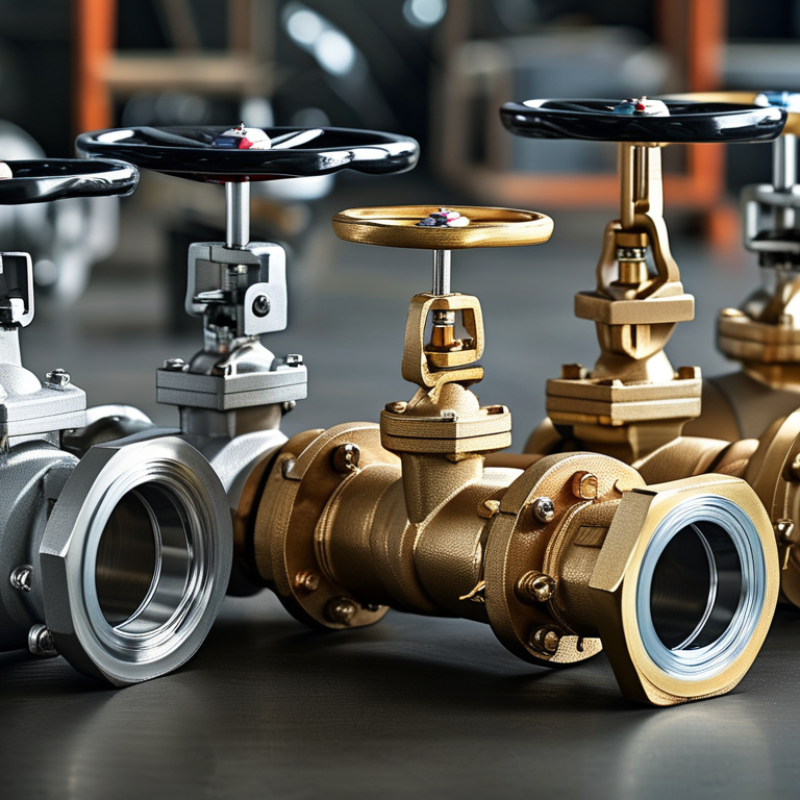
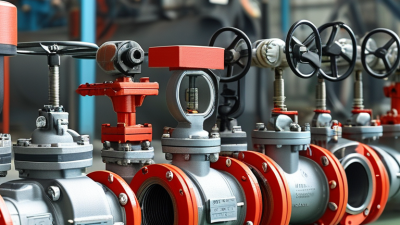
When selecting a stainless valve body, understanding the types available is crucial. Generally, there are three main categories: ball valves, gate valves, and globe valves. Each type serves specific applications. Ball valves offer excellent sealing and flow control. They are ideal for quick shut-off systems. Gate valves, however, are designed for minimal pressure drop, making them suitable for on/off services. Globe valves are excellent for throttling flow, although they can reduce pressure more than the other types.
Industry reports indicate that the demand for stainless steel valves is rapidly growing. A recent market analysis noted a projected growth rate of 5.2% annually through 2026. This growth is driven by sectors like oil and gas, water treatment, and pharmaceuticals. Users must consider factors such as pressure, temperature, and the chemical nature of the fluids being handled.
Choosing the wrong type may lead to inefficiencies and increased maintenance. For instance, using a globe valve in a high-pressure steam line could result in failures. Research emphasizes that proper material selection affects durability and longevity. Misjudgment in valve type can lead to operational downtime and increased costs. This highlights the need for attention to detail and understanding of the application requirements.
Key Specifications to Evaluate for Your Application
Choosing the right stainless valve body requires careful consideration of key specifications tailored to your application. One critical factor to examine is the material grade. Different grades of stainless steel possess varying resistance to corrosion. For harsh environments, opting for higher-grade stainless steel can prolong lifespan and enhance reliability.
Another essential specification is pressure rating. Determine the maximum pressure your application will encounter. Selecting a valve body rated for higher pressure than your operational needs can provide an additional safety margin. Additionally, consider the valve size and connection type. It should fit seamlessly into your existing system for optimal performance.
Fluid compatibility is another aspect often overlooked. Ensure that the chosen stainless valve body is suitable for the specific fluids it will handle. Consider factors like temperature and chemical properties. Sometimes, a seemingly perfect valve may not withstand the demands of your application. Always refer to technical data sheets and consult experts to validate your choices. Revisiting these specifications periodically can also shed light on the performance and longevity of your investment.
Common Applications of Stainless Valve Bodies
Stainless valve bodies are versatile components widely used in various industries. They ensure fluid control in plumbing, chemical processing, and food production. In plumbing, these valves manage water flow efficiently, resisting corrosion over time. In chemical processing, they endure harsh environments and aggressive substances. Their ability to handle extreme temperatures is crucial.
The food industry greatly benefits from stainless valve bodies. They prevent contamination and meet sanitary standards. These valves help maintain product quality during processing. However, users must be cautious. Choosing a valve without considering the specifics can lead to costly errors. For instance, selecting the wrong size can disrupt flow rates.
Careful consideration of the intended application is essential. Each environment presents unique challenges. A valve that works well in one application may fail in another. Understanding the requirements of your system is vital. Improper choices may require replacements, resulting in unnecessary downtime. Prioritizing quality and suitability will enhance performance and longevity.
Maintenance Tips for Stainless Valve Bodies to Ensure Longevity
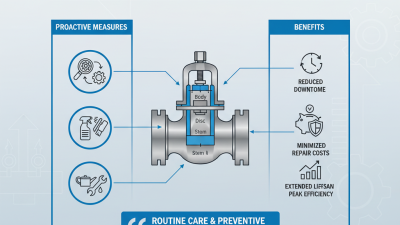
Maintaining stainless valve bodies is crucial for ensuring their longevity and functionality. Regular inspections can prevent minor wear from becoming major failures. Corrosion is a common issue, especially in harsh environments. According to industry reports, nearly 30% of valve failures occur due to corrosion-related damage. Using protective coatings can significantly extend the lifespan of these components.
Cleaning stainless valve bodies regularly is essential. Dirt and debris accumulation can lead to operational inefficiencies. Experts suggest implementing a cleaning schedule every six months for optimal performance. Decreasing the interval may be necessary in more demanding contexts. Additionally, lubrication plays a key role in reducing friction and wear. Properly selected lubricants can enhance performance and prevent unnecessary degradation.
Pay attention to the installation process to minimize future issues. Improper installation can lead to misalignment and stress on the valve body. This is often overlooked and can result in costly repairs. Regular training for maintenance personnel is equally important. A well-informed team can identify potential issues early. Combining these practices fosters reliability and prolongs the life of stainless valve bodies.
How to Choose the Right Stainless Valve Body for Your Needs? - Maintenance Tips for Stainless Valve Bodies to Ensure Longevity
| Data Dimension |
Description |
Importance |
Maintenance Tip |
| Material Grade |
Type of stainless steel (e.g., 304, 316). |
Affects corrosion resistance and durability. |
Choose compatible grades for your environment. |
| Size |
Diameter and length of the valve body. |
Ensures proper flow rate and fit. |
Regularly check for wear in fittings. |
| Pressure Rating |
Maximum pressure the valve can handle. |
Safety and functionality of the system. |
Avoid exceeding the specified pressure limits. |
| Connection Type |
Type of joints or fittings used. |
Compatibility with other system components. |
Inspect connections for leaks periodically. |
| Environmental Conditions |
Humidity, temperature, and exposure to chemicals. |
Influences material choice and maintenance frequency. |
Regularly clean to prevent corrosive buildup. |