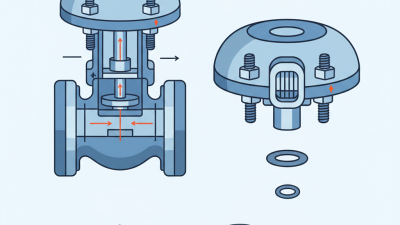
Choosing the right Valve Automation Component is crucial for any industrial application. The right component can enhance efficiency and ensure optimal performance. But the variety of options can be overwhelming. Each component serves a unique purpose and offers distinct advantages.
Understanding these components requires specialized knowledge and experience. Automation technology is constantly evolving. Manufacturers introduce new features and designs. This rapid change can lead to confusion. It's important to stay updated on the latest advancements.
Factors such as compatibility, durability, and application requirements significantly influence your decision. Selecting the best component is not just about preference; it affects your entire system's reliability. You may need to reflect on your current setup and future needs. Ultimately, making an informed choice will lead to better performance and longevity.
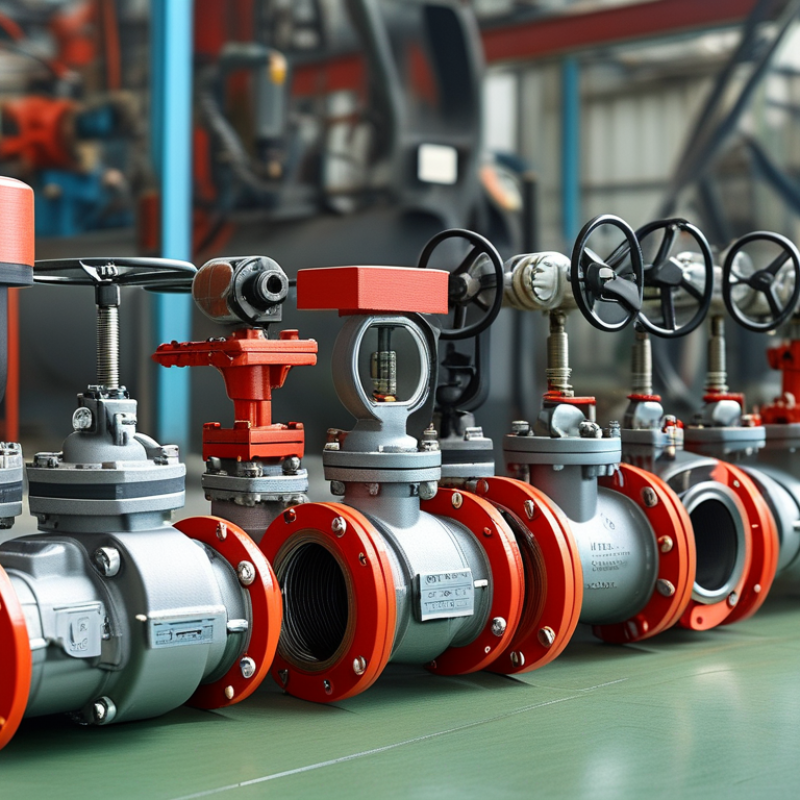
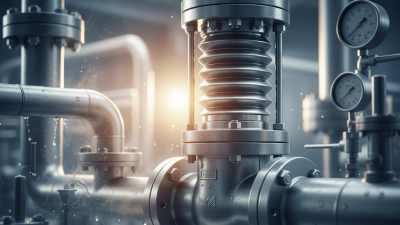
When selecting valve automation components, understanding their types is crucial. Actuators, control valves, and positioners are key components in this domain. Actuators can be electrical, pneumatic, or hydraulic. Their selection often depends on the specific application and environment. For instance, pneumatic actuators are preferred in applications needing rapid response. Hydraulic actuators suit heavy-duty operations.
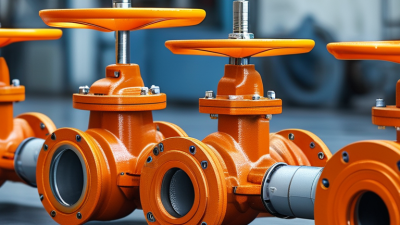
Control valves regulate fluid flow. They come in several types, including globe, ball, and gate valves. Each type has unique advantages. Globe valves provide precise control, while ball valves offer low resistance. Data from a recent industry report indicates that the global valve market is expected to exceed $100 billion by 2026, indicating growing reliance on these components.
Positioners enhance accuracy. They adjust the valve position based on the control signal. Using a positioner can improve system efficiency and reduce energy consumption. A comprehensive analysis revealed that systems employing positioners can achieve up to 20% energy savings.
Awareness of these components helps in making informed choices. Mistakes can lead to inefficiencies. Understanding specifications and project requirements is vital. Select components that suit your unique needs for optimal performance.
| Component Type | Functionality | Common Applications | Control Method | Advantages | Disadvantages |
|---|---|---|---|---|---|
| Electric Actuator | Converts electrical energy into mechanical motion | Water treatment, HVAC systems | On/Off, Modulating | High precision, Easy to integrate | Higher initial cost, Requires electrical infrastructure |
| Pneumatic Actuator | Uses compressed air to create motion | Oil and gas, Chemical processing | On/Off, Rapid operation | Fast response, High torque-to-weight ratio | Air supply dependence, Risk of air leaks |
| Hydraulic Actuator | Utilizes hydraulic pressure for movement | Heavy machinery, Industrial automation | On/Off, Fine control | Powerful, Good for heavy loads | Higher maintenance, Potential for fluid leaks |
| Manual Valve | Operated by hand for control | Simple applications, Laboratories | Manual operation | Cost-effective, Reliable | Labor-intensive, Not suitable for remote operations |
| Positioner | Controls the final position of the valve | Process control in varied industries | Feedback control | Improved accuracy, Enhances system performance | Complex installation, More components to maintain |
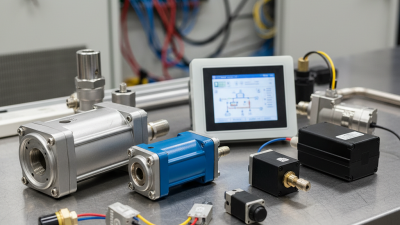
Evaluating your system requirements for valve automation starts with understanding your specific needs. Every system is unique, and factors like flow rate, pressure, and temperature play significant roles. Knowing these variables helps narrow down suitable components.
Consider the operating environment as well. Will the components face extreme temperatures or corrosive substances? This information is vital when selecting materials. Assess the space available too. Compact designs may be necessary in tight spots, while larger setups offer more flexibility.
Tips: Gather data on your current system. Involve your team for insights. Factor in potential future needs as well. Think about scalability as your operations grow.
Keep in mind that finding the right component is not always straightforward. Engaging with experts can provide clarity but consider that their recommendations may differ based on experience. It’s wise to reflect on whether those suggestions align with your actual needs. Balancing expert input and your system’s requirements is key.
When selecting valve actuators, several key features come into play. Consider the actuator's type, as they can be electric, pneumatic, or hydraulic. Each has its unique advantages and limitations. Electric actuators tend to be more precise, while pneumatic options can offer rapid response times. Evaluate your system's requirements before making a choice.
Another crucial factor is the actuator's torque output. It must match or exceed the valve's torque requirements for optimal performance. A mismatch can lead to inefficient operations and potential damage. Always consult specifications to ensure proper alignment. Connectivity options are also vital. Look for actuators compatible with your existing control systems.
Attention to environmental conditions is essential. Actuators must withstand harsh climates, humidity, or chemicals in some settings. Using actuators not rated for your environment can lead to premature failure. Enable regular assessments for wear and tear.
Take time to weigh these features. It might be tempting to rush through the selection, but this could lead to oversights. Reflect on the long-term impact of your choices. Inadequate selection may result in costly downtime or repairs. Prioritize thorough research and expert consultations when necessary.
When evaluating valve automation components, control strategies play a pivotal role in enhancing performance. Effective control strategies can significantly impact how well your valves respond to system demands. Consider the type of process you are managing, as different processes require varying response times and precision levels. Choosing the right control method can prevent issues like over-steering or slow response, which may lead to inefficiencies.
Actuators often use feedback for optimal performance. This feedback can help achieve precise control over flow and pressure. However, relying solely on feedback can lead to complexities. Proper tuning of control loops is essential. If misconfigured, these loops can cause oscillations or delays, affecting overall system stability. It’s vital to monitor these parameters regularly to ensure performance remains optimal.
Additionally, the integration of advanced technologies can enhance control strategies. For example, intelligent algorithms can analyze data in real time. This allows for predictive adjustments based on changing conditions. However, integrating such technologies requires technical expertise and may come with challenges. An assessment of your team's skills and resources is necessary before implementing complex solutions. Remember, not all solutions suit every application. Each choice should be carefully considered to meet specific operational needs.
Regular maintenance is essential for valve automation systems. Over time, components can wear out or malfunction. Regular inspections help identify potential issues early. This proactive approach minimizes downtime and keeps operations smooth. Changing seals and lubricants on a scheduled basis is crucial. Many overlook this simple task, leading to costly repairs later.
Keeping spare parts on hand can save time. It ensures you have the right components when needed. Conduct training for your team to manage the system effectively. Knowledgeable operators can quickly identify and address issues. An unclear understanding of the system may lead to greater problems.
Don't ignore system feedback. Monitoring performance data is vital. Making adjustments based on real-time information fosters a more reliable system. Reflect on any maintenance lapses to prevent future mishaps. Following these practices contributes to the overall longevity of your valve automation systems.