What is a Forged Valve Body and Why is it Important?
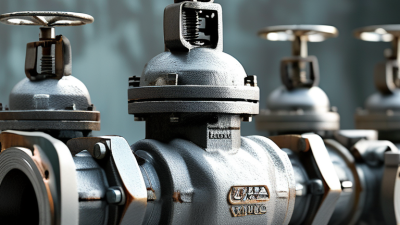
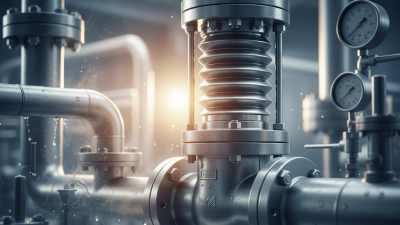
A Forged Valve Body is a critical component in many industrial systems. It plays a vital role in controlling fluid flow and pressure. These bodies are crafted through a forging process, ensuring durability and strength. The material integrity of a Forged Valve Body is essential for high-pressure applications.
Manufacturers must pay attention to the design and material specifications. Each forged valve must undergo rigorous testing to confirm its reliability and performance. Despite this, some may overlook minor flaws during production. These oversights can lead to significant issues later on. Proper inspections and quality control are crucial to avoid failures.
Understanding the importance of a Forged Valve Body enhances your ability to make informed choices. A well-made valve can prevent costly downtime and ensure operational efficiency. Reflecting on the manufacturing process can offer insights into how improvements can be made. It’s important to recognize that even the best technologies require continual assessment and refinement.
Definition of a Forged Valve Body and Its Components
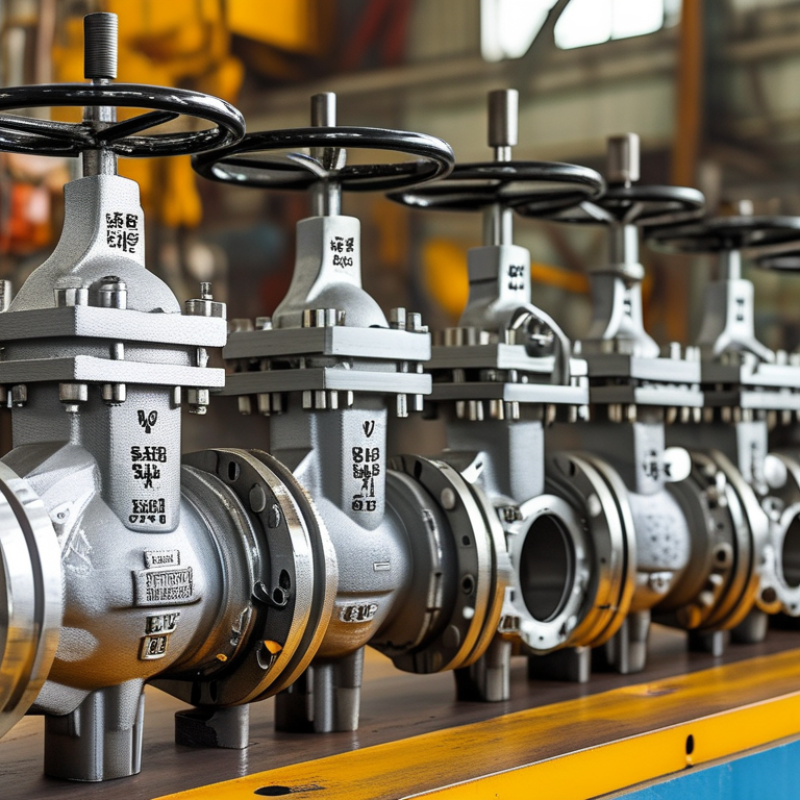
A forged valve body is a critical component in various mechanical systems. It is crafted from solid metal, resulting in increased strength and durability. The process involves shaping the metal through forging, which enhances its structural integrity. This makes forged valve bodies highly resistant to wear and tear, crucial for applications that involve high pressure and temperature.
Key components of a forged valve body include the body itself, ports, and seats. The body houses the moving parts, ensuring they function smoothly. The ports allow fluids to enter and exit the valve, while the seats serve as seals when the valve is closed. Each component plays a vital role in the overall efficiency of the system.
While forged valve bodies are designed for robustness, they are not impervious to issues. Sometimes, imperfections can arise during the manufacturing process. It is essential to inspect them regularly to ensure they perform optimally. Understanding these aspects can lead to better maintenance practices and enhance the longevity of the entire system.
Importance of Material Selection in Forged Valve Bodies
Material selection in forged valve bodies is critical for ensuring performance and longevity. The right material can enhance mechanical properties and resist wear and corrosion. For example, carbon steel is often used due to its strength and toughness. However, alloys with increased nickel or chromium can provide better corrosion resistance. According to a 2022 report from the Forged Steel Institute, nearly 70% of valve failures are linked to material deficiencies.
In industries like oil and gas, the consequences of poor material choice can be severe. Reports suggest that inadequate materials contributed to nearly $5 billion in operational losses in the energy sector last year. Therefore, understanding the operational environment is crucial. High-pressure or high-temperature situations demand robust materials. Sometimes, the best choice involves trade-offs. While stainless steel offers great resistance, it may be less robust than carbon steel.
Choosing the wrong material can lead to premature failure. A study showed that 30% of valves examined failed to meet performance standards due to material issues. Engineers must weigh factors like cost, durability, and application needs. Even minor lapses in selection can result in significant issues. Reflections on past failures can guide better decisions. Ultimately, thoughtful material selection is vital for efficient operation.
What is a Forged Valve Body and Why is it Important? - Importance of Material Selection in Forged Valve Bodies
| Material Type |
Strength (MPa) |
Corrosion Resistance |
Applications |
| Carbon Steel |
450 |
Moderate |
Water Supply, Oil |
| Stainless Steel |
520 |
Excellent |
Chemical Processing, Food Industry |
| Alloy Steel |
600 |
Good |
High-Pressure Systems |
| Copper Nickel |
350 |
Very Good |
Marine Applications |
| Titanium |
900 |
Outstanding |
Aerospace, Medical Devices |
Advantages of Forged Valve Bodies Over Cast and Machined Types
Forged valve bodies offer substantial advantages over cast and machined types. Their manufacturing process involves high pressure and temperature, leading to a denser, more durable product. According to a recent industry report, forged valve bodies can withstand pressures up to 50% higher than their cast counterparts. This characteristic is crucial for applications in industries like oil and gas, where reliability is non-negotiable.
In addition to strength, forged valve bodies exhibit superior fatigue resistance. Studies indicate that these components experience less wear and tear, extending their service life significantly. For instance, a survey by the American Society of Mechanical Engineers (ASME) highlights that forged valves have a lifespan that can be over 30% longer than cast valves. This longevity can result in reduced maintenance costs over time, making forged options more economically viable despite the initial investment.
However, the high cost of forging and the sophistication of the equipment required can deter some manufacturers. While the benefits are substantial, some companies overlook the importance of these factors in their decision-making. Balance is necessary; understanding the application requirements deeply can lead to better choices. Forged valve bodies bring undeniable benefits, yet they require careful consideration in production processes.
Applications of Forged Valve Bodies in Various Industries
Forged valve bodies play a critical role in various industries. They are made from high-strength materials. This ensures durability and reliability under extreme conditions. Industries such as oil and gas rely heavily on these components. The high-pressure systems in these sectors require robust solutions. Forged valve bodies provide excellent resistance to corrosion and wear, making them ideal for these applications.
In the water treatment sector, forged valve bodies help regulate flow and pressure. They can withstand harsh chemicals commonly found in water systems. Their precision design minimizes leak risks, ensuring efficient operation. In the automotive industry, these valves control fluid dynamics in engines. Their lightweight yet strong nature contributes to vehicle performance and efficiency.
Despite their advantages, forged valve bodies can present challenges. Manufacturing inconsistencies can lead to quality issues. Regular inspection and maintenance are essential to ensure optimal performance. Understanding these potential shortcomings is crucial for engineers and operators. Innovations in forging techniques continue to improve reliability. However, awareness of material limitations remains important. Forged valve bodies are vital, but they require careful consideration in their application.
Maintenance and Inspection Practices for Forged Valve Bodies
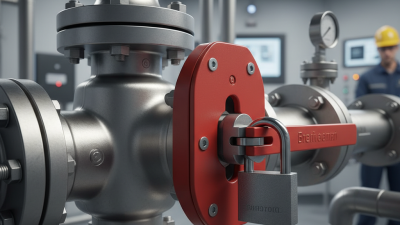
Regular maintenance and inspection of forged valve bodies are essential for optimal performance. These components are vital in managing fluid flow in various systems. Neglecting them can lead to failures and costly downtime. Checking for leaks, corrosion, and wear is crucial.
During inspections, look closely at the joints and seals. These areas are often the first to show signs of wear. Use non-destructive testing methods for a thorough assessment. Visual inspections can miss underlying issues, so consider more advanced techniques.
Routine maintenance schedules should be established. Document all findings and repairs for future reference. Knowing when a valve body was last inspected helps track its condition. This practice fosters accountability and ensures that no detail is overlooked. A proactive approach can extend the life of forged valve bodies significantly.
Importance of Forged Valve Bodies in Different Industries