Why Choose Carbon Steel Valve Body for Your Projects?
Carbon Steel Valve Body has become a crucial component in various industries. The demand for reliable and durable valve materials is growing rapidly. According to a report by Global Market Insights, the carbon steel valve market is expected to surpass USD 10 billion by 2026. This surge highlights the importance of material selection in engineering and construction projects.
When choosing materials, professionals often prioritize strength and versatility. Carbon steel offers excellent toughness, making it suitable for high-pressure applications. Its ability to withstand extreme conditions adds to its appeal. Research from the American Society of Mechanical Engineers indicates that carbon steel valves can operate effectively in temperatures ranging from -50°F to 750°F. However, improper handling of carbon steel can lead to corrosion issues, which need to be addressed during installation.
The cost-effectiveness of carbon steel also contributes to its popularity. While initial costs may be higher than other materials, the long-term benefits justify the investment. Businesses benefit from lower maintenance expenses and reduced downtime. Yet, it’s essential to evaluate each project’s specific needs before selecting the carbon steel valve body. Understanding both the advantages and limitations of this material is vital for making informed decisions in project planning.
Benefits of Using Carbon Steel for Valve Body Construction
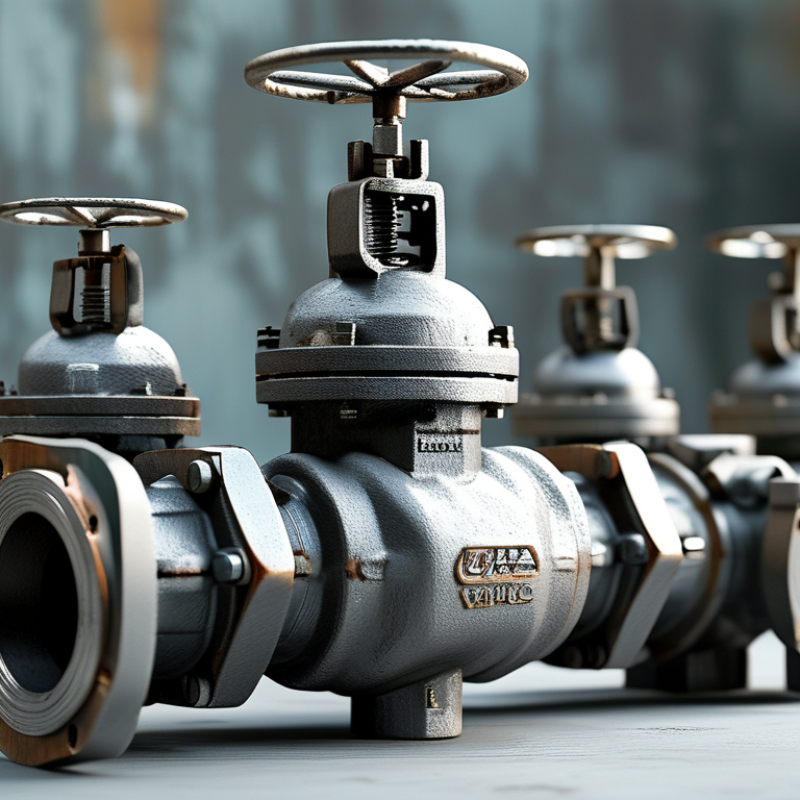
Carbon steel is a preferred material for valve body construction due to its strength and durability. It offers excellent resistance to high pressure and temperature, making it suitable for various industrial applications. These valves are often used in water supply systems, oil and gas pipelines, and chemical processing.
Using carbon steel in valve design also enhances cost-effectiveness. The material is relatively affordable compared to stainless steel, allowing for budget-friendly project management. However, it is worth noting that carbon steel may require additional protective coatings to prevent corrosion, especially in harsh environments. This can add complexity to the production process.
Maintenance can be an area for growth when using carbon steel. Regular inspections are essential to identify any signs of wear or corrosion. This proactive approach can extend the lifespan of the valves and ensure reliable performance. It's crucial to balance cost savings with the necessary upkeep to maintain efficiency in the long run.
Why Choose Carbon Steel Valve Body for Your Projects? - Benefits of Using Carbon Steel for Valve Body Construction
| Benefit |
Description |
Application |
| High Strength |
Carbon steel offers excellent strength and durability, ideal for high-pressure environments. |
Oil & Gas, Chemical Processing |
| Cost-Effectiveness |
More affordable than other metals like stainless steel, making it a budget-friendly option. |
Manufacturing, HVAC |
| Versatility |
Can be used in various applications with different thicknesses and grades available. |
Water Supply, Power Generation |
| Corrosion Resistance |
With proper coating and treatment, carbon steel can withstand corrosive environments. |
Marine Applications, Wastewater Treatment |
| Ease of Fabrication |
Carbon steel is easier to weld and machine compared to other materials. |
Custom Valve Manufacturing |
Key Properties of Carbon Steel that Enhance Performance
Carbon steel is known for its strong performance in various industrial applications. Its key properties make it a valuable choice for valve bodies. One major advantage is its impressive tensile strength, which can reach up to 580 MPa. This durability helps in high-pressure environments typical in oil and gas industries. Furthermore, carbon steel exhibits excellent wear resistance. It can withstand abrasive conditions, extending the lifespan of valves significantly.
Another critical property is its ability to handle extreme temperatures. Carbon steel valves operate efficiently in temperatures ranging from -40°C to 400°C. This range ensures reliability in diverse operating conditions. Interestingly, according to recent studies, carbon steel's corrosion resistance can be optimized by various coating techniques. Such enhancements provide additional protection, making it a versatile choice for piping systems.
Despite these strengths, the manufacturing process for carbon steel valves can yield some inconsistencies. For instance, variations in carbon content may impact performance. Continuous monitoring and quality checks are essential to maintain standards. Overall, carbon steel valves are a popular choice but require careful consideration of material properties. Their combination of strength, temperature tolerance, and customizability fosters high performance in demanding applications.
Comparison of Carbon Steel with Other Valve Body Materials
When selecting materials for valve bodies, carbon steel is often a top choice. It offers exceptional strength and durability. Compared to stainless steel, carbon steel is more cost-effective while still providing reliable performance. Its robust nature withstands high pressures and temperatures, making it suitable for various industrial applications.
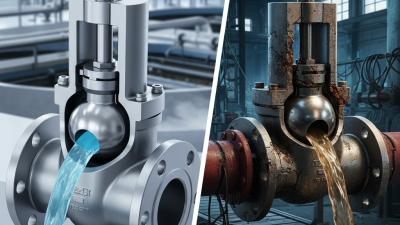
However, there are drawbacks to consider. Carbon steel can corrode if not properly maintained, unlike corrosion-resistant materials. This aspect requires careful planning for projects involving harsh environments. Engineers must weigh the fabrication costs against the material's longevity in specific applications.
**Tips**: Always assess the environment where the valve will be used. Regular inspections can prevent failures due to corrosion. Consider applying protective coatings for added longevity.
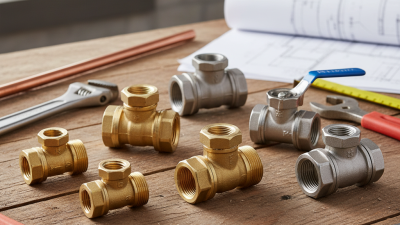
While brass and plastic valves are lighter and resistant to corrosion, they may not handle high pressures. Carbon steel maintains its structural integrity under stress, proving indispensable in many scenarios. Balancing the properties of carbon steel with your project’s needs ensures optimal performance and reliability.
Applications of Carbon Steel Valves in Various Industries
Carbon steel valves are widely used in various industries due to their robustness and reliability. They are essential in sectors like oil and gas, water treatment, and power generation. According to a report by MarketsandMarkets, the global market for industrial valves is projected to reach $93.2 billion by 2025, with carbon steel valves being a significant contributor. Their strength and pressure resistance make them ideal for high-stress environments.
In oil and gas, carbon steel valves manage high pressures and corrosive substances. The industry demands materials that can withstand extreme conditions. A study by the International Journal of Engineering Research highlights that carbon steel valves perform effectively at temperatures exceeding 500°F. This capability extends their lifespan and reduces maintenance costs, making them a preferred choice.
Water treatment facilities also benefit from carbon steel valves. These valves handle aggressive chemicals and pressures in the purification process. The American Water Works Association emphasizes that reliable valves are crucial for maintaining safe drinking water standards. While carbon steel offers many advantages, it can be susceptible to rust if not treated properly. This highlights the need for thorough maintenance plans in industrial applications.
Maintenance and Longevity of Carbon Steel Valve Bodies
When considering valve body materials, carbon steel stands out for its durability. The maintenance of carbon steel valve bodies plays a pivotal role in their longevity. Regular inspections are essential. Checking for signs of rust or wear can prevent major failures. A daily observation of these valve bodies ensures they operate smoothly.
In high-pressure environments, carbon steel valves perform reliably. However, they require periodic maintenance. Lubrication of moving parts helps reduce friction. Cleaning is crucial, especially in corrosive settings. This can extend the life of the valve. Neglecting these routine checks may lead to costly repairs or replacements later.
While carbon steel offers strength, it is not immune to challenges. High humidity can accelerate corrosion. Operators must remain vigilant in tougher climates. Understanding local conditions is vital. This knowledge will inform the appropriate maintenance schedule. In summary, proactive care is critical for maximizing the lifespan of carbon steel valve bodies.
Comparison of Maintenance Frequency and Longevity of Carbon Steel Valve Bodies