Precision-engineered components designed to maintain absolute sterile integrity in critical pharmaceutical processing environments.


Analyzing the critical challenges, material science, and safety standards governing high-purity fluid control components.
In modern biopharmaceutical manufacturing, maintaining system sterility and preventing cross-contamination is paramount. The valve bonnet, which serves as the boundary cover for the valve body, plays a pivotal role in this process. As a leading valve bonnet manufacturer for pharmaceutical operations, we understand that this component is not merely a pressure-retaining cover but a critical barrier that houses the stem seals, diaphragms, or bellows that isolate the process fluid from the external environment.
Pharmaceutical processes involve aggressive clean-in-place (CIP) and steam-in-place (SIP) cycles, exposing valve components to high temperatures, pressure fluctuations, and corrosive chemical agents like sodium hydroxide or phosphoric acid. Standard carbon steel is completely unsuited for these operations. Instead, manufacturers rely heavily on advanced alloys:
The internal design of a pharmaceutical valve bonnet is dictated by the method of stem isolation. The two most common configurations are:
1. Diaphragm Valve Bonnets: Widely considered the gold standard for biotech operations. The bonnet houses a flexible diaphragm (typically PTFE backed by EPDM) which is pressed against a weir or weirless body to shut off flow. The bonnet internals are completely isolated from the process stream, eliminating any potential dead legs where bacteria could harbor.
2. Bellows-Sealed Bonnets: Used primarily in high-pressure or high-temperature utility lines (such as clean steam systems). A metal bellows (often made of 316L or Hastelloy) is welded to both the valve stem and the bonnet, providing a hermetic, metallic barrier that prevents any stem leakage.
All sanitary valve bonnets and components must comply with stringent international standards to ensure safety and efficacy in pharmaceutical production:
Sanitary valve bonnets manufactured by specialized suppliers are deployed across various high-purity systems within a pharmaceutical facility:
Water for Injection (WFI) Systems: WFI is the primary solvent used in parenteral drug manufacturing. These loop systems operate continuously at elevated temperatures (typically around 80°C) to prevent microbial growth. Valve bonnets in WFI loops must withstand continuous thermal stress while ensuring zero leakage to the atmosphere, as any ingress of ambient air could introduce contaminants.
Bioreactor and Fermentation Vessels: In upstream bioprocessing, live cell cultures are grown under tightly controlled conditions. Valves connected to bioreactors must be completely sterile. The valve bonnet design must facilitate complete drainage during CIP/SIP cycles, leaving no residue from previous batches that could contaminate the next culture run.
Chromatography and Filtration Skids: Downstream purification involves separating the target protein from impurities. This process uses sensitive chromatography columns and ultrafiltration membranes. Valves used here must offer precise flow control to prevent pressure shocks that could damage expensive filtration media. The bonnet must support precise actuation mounting to enable micro-metering of fluids.
The pharmaceutical valve industry is transitioning towards "Smart Factories" and Industry 4.0. This evolution directly impacts how valve bonnets are designed and manufactured:
Smart Bonnets with Integrated Sensors: Modern valve bonnets are increasingly designed to accommodate digital positioners, temperature sensors, and leak-detection ports. By embedding sensors directly into the bonnet assembly, operators can monitor diaphragm integrity in real-time, predicting failures before they lead to catastrophic batch loss.
Additive Manufacturing (3D Printing): For complex, custom valve designs (such as multi-port block valves), additive manufacturing is gaining traction. This allows for optimized flow paths and lighter bonnet structures, reducing material waste and enabling the production of highly customized geometries that were previously impossible to machine.
Sichuan Yining Machinery Equipment Co., Ltd. was established in 2005 and is a company specializing in the production and manufacturing of various types of valves and finished valve accessories. Over the years, we have been dedicated to the field of valves and are committed to providing high-quality and high-performance products and solutions to customers worldwide.
The company has always adhered to the business philosophy that "Quality is the boss, quality is our salary", insisting on taking quality as the core and regarding stable and reliable product quality as the solid foundation for long-term cooperation with customers. We are well aware that high-quality products and stable delivery capabilities are the keys to the continuous development of an enterprise.
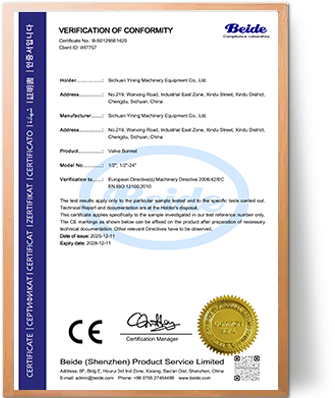
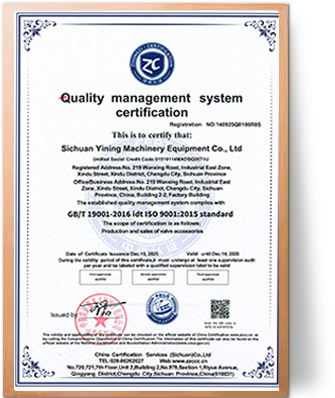
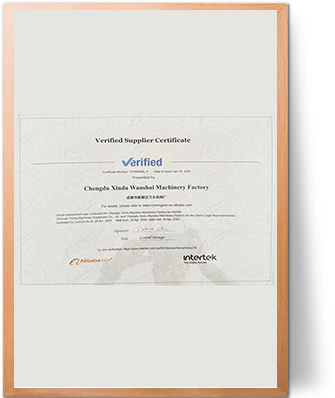
The company has passed the ISO9001 quality management system certification and CE certification, and strictly follows international standards for production and quality control to ensure that every product meets industry and customer requirements.
With years of manufacturing experience and mature production techniques, we have a professional technical and management team with rich theoretical knowledge and practical experience. We adhere to the development direction of "conceptual innovation, technological innovation, and management innovation", constantly improving product quality and enterprise competitiveness.
In the future, Sichuan Yining Machinery Equipment Co., Ltd. will continue to take outstanding quality as the core, customer demands as the orientation, and join hands with partners to create a long-term, stable and mutually beneficial win-win cooperative relationship.
 +86-15208308717
Our commitment to quality is backed by international certifications and rigorous testing protocols.
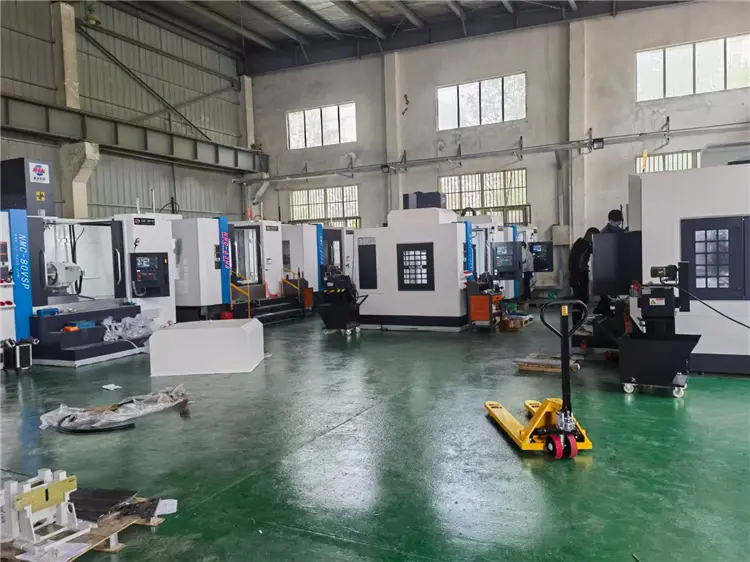
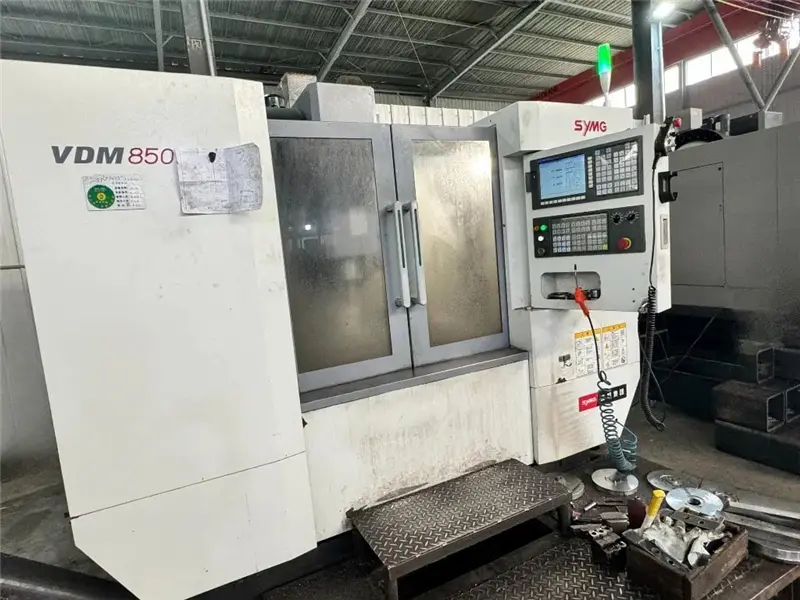
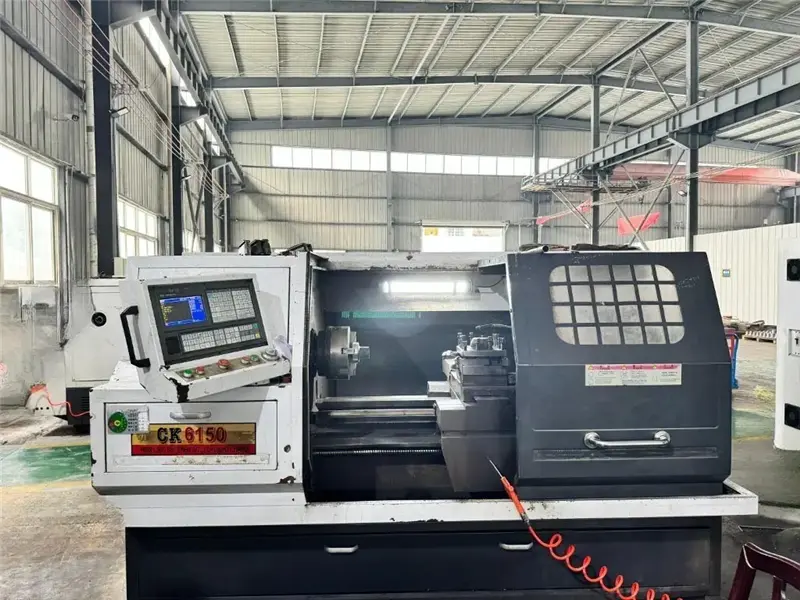
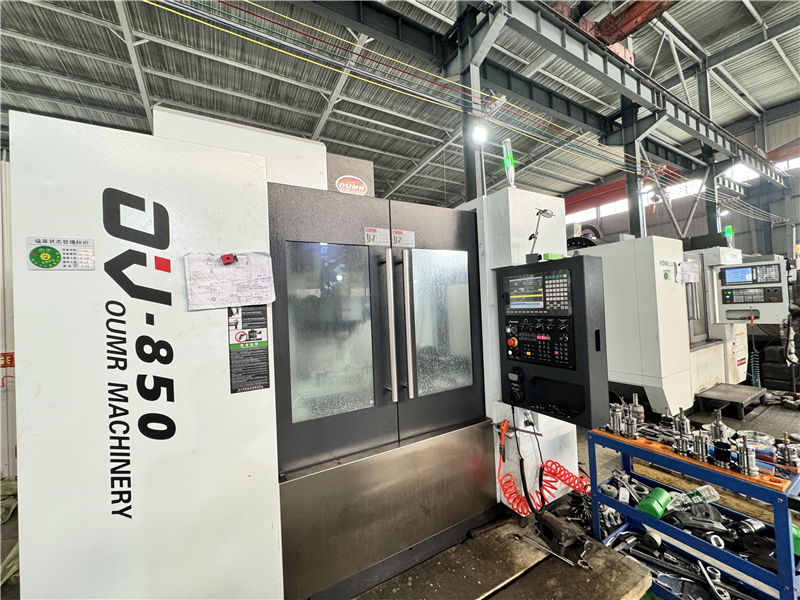
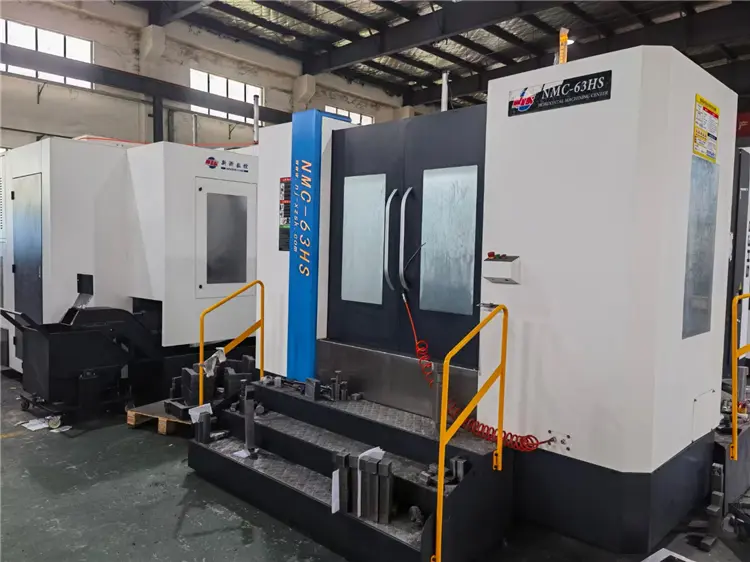
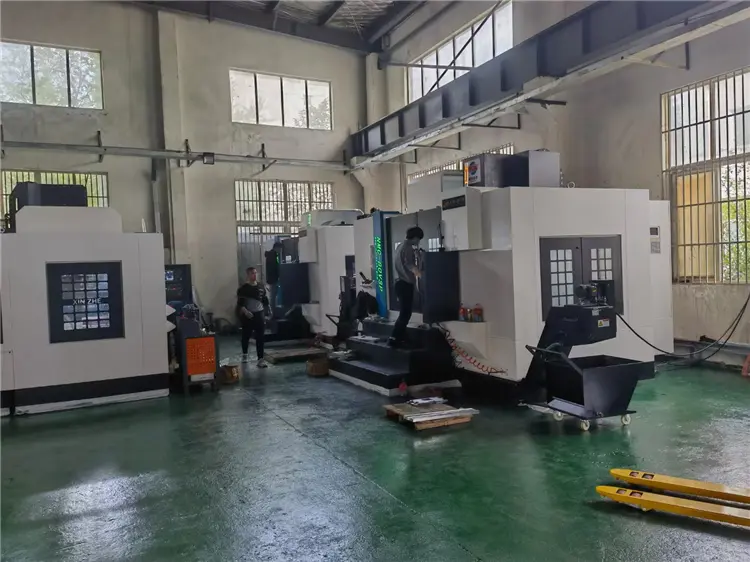
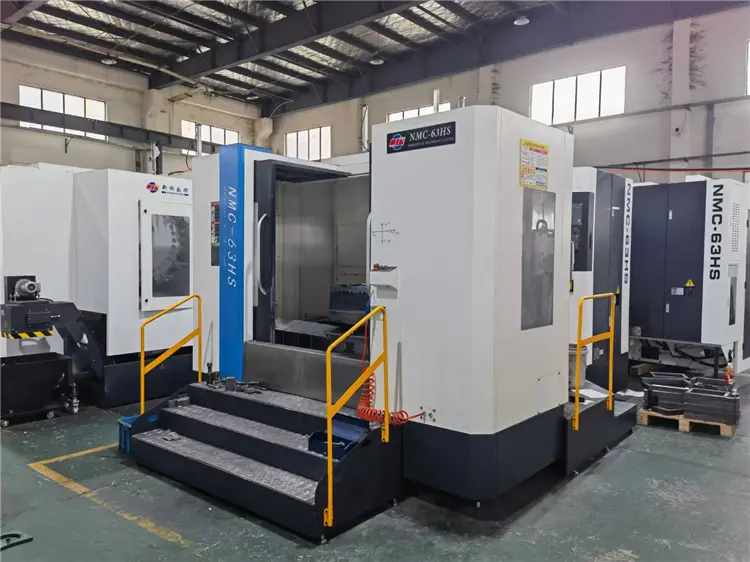
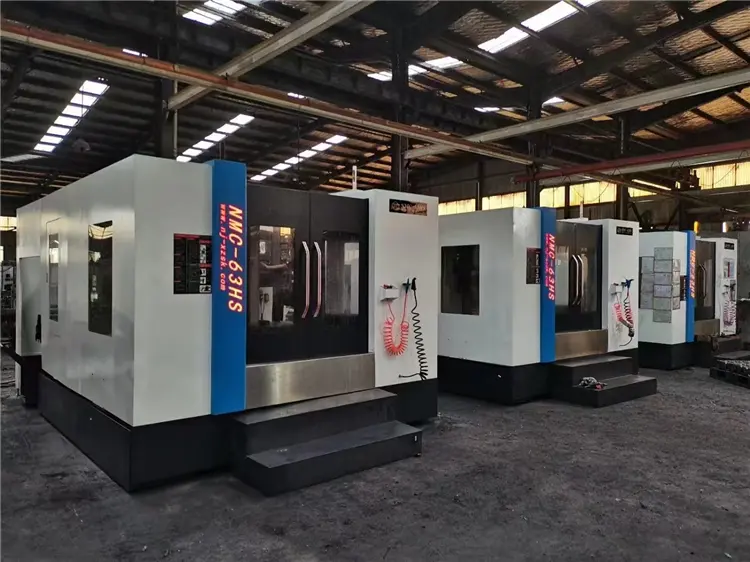
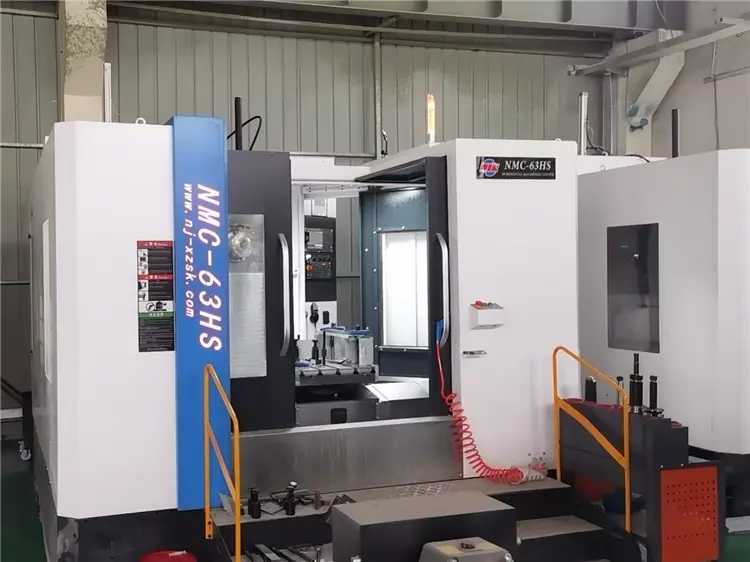
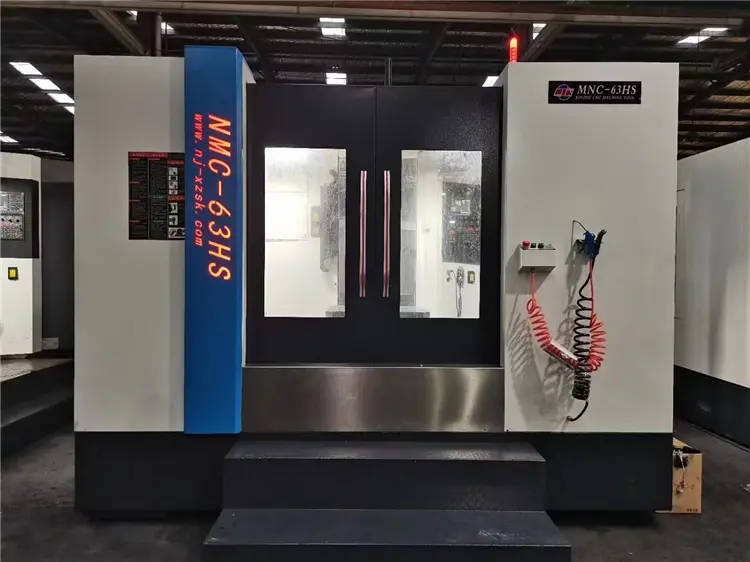
Our company is CE certified and operates under an ISO 9001 quality management system. We are equipped with CNC machines, machining centers, forging and cold forming equipment, as well as physical and chemical testing facilities. Our valve components are manufactured in accordance with GB, ANSI, JIS, DIN, and BS standards, meeting the conformity requirements of international markets, including Europe. We machine carbon steel, stainless steel, alloy steel, and special materials such as 410, 420, F304, F316, LF2, A105, 17-4PH, Monel 400, and XM-19, and support custom production based on customer drawings.
In addition to comprehensive product supply, our service level is also outstanding. With rich experience in the industry, we are always able to deeply understand the needs of our customers and meet all kinds of OEM customisation requirements. We ensure on-time delivery, prompt response and take care of all after-sales issues.
Explore our comprehensive range of high-performance valve bodies, components, and actuators tailored for sanitary and industrial processing.


Sichuan Yining Machinery Equipment Co., Ltd. is committed to becoming a trusted partner of global valve companies.
Get A Quote Now