Leave Your Message

Valve Body For Water Treatment Plants

Engineered Forged & Cast Valve Components for Municipal Water Treatment, Desalination, and Industrial Wastewater Processing Systems

The Critical Role of Valve Bodies in Water Treatment Plants

In modern industrial and municipal infrastructures, water treatment plants stand as vital systems protecting human health and ecological balance. From municipal drinking water purification to desalination and complex chemical wastewater processing, fluid control systems are the backbone of these operations. At the heart of every control valve, check valve, and isolation valve is the valve body for water treatment plants. Acting as the primary pressure boundary, the valve body holds the internal components together, manages structural stresses, and isolates aggressive chemical solutions from the external environment.

Globally, the commercial landscape of water treatment is undergoing a rapid evolution. Driven by strict environmental regulations, population growth, and the expansion of heavy industries, plants are operating under higher pressures and with increasingly aggressive chemicals. Consequently, standard cast iron valve components are no longer sufficient. Today's procurement directors and plant engineers specify precision-machined, high-performance alloys and forged steel valve bodies to guarantee long-term reliability and minimize catastrophic downtime.

🛡️

Corrosion Resistance

Engineered with stainless steel, duplex alloys, and advanced coatings to withstand aggressive chemical dosing and high salinity.

⚙️

High-Precision Forging

Forged valve bodies eliminate internal casting voids, providing superior pressure retention and structural integrity.

Automation Integration

Designed to seamlessly interface with modern pneumatic and electric actuators for smart plant operations.

Commercial Status & Global Market Trends

The global demand for water purification systems has pushed the valve manufacturing industry to adopt advanced metallurgy. In desalination facilities—particularly Seawater Reverse Osmosis (SWRO) plants—valve bodies are subjected to extreme chloride corrosion and high operating pressures exceeding 80 bar. In such environments, traditional materials fail rapidly due to pitting and crevice corrosion. This has accelerated the commercial adoption of materials like F316 stainless steel, Duplex 2205, and Super Duplex alloys. Manufacturers who can deliver custom-engineered, forged steel valve bodies that strictly comply with international standards (such as ANSI, DIN, JIS, and BS) hold a significant competitive advantage in global bidding processes.

Yining Company Profile

Sichuan Yining Machinery Equipment Co., Ltd. was established in 2005 and is a company specializing in the production and manufacturing of various types of valves and finished valve accessories. Over the years, we have been dedicated to the field of valves and are committed to providing high-quality and high-performance products and solutions to customers worldwide.

The company has always adhered to the business philosophy that "Quality is the boss, quality is our salary", insisting on taking quality as the core and regarding stable and reliable product quality as the solid foundation for long-term cooperation with customers. We are well aware that high-quality products and stable delivery capabilities are the keys to the continuous development of an enterprise.

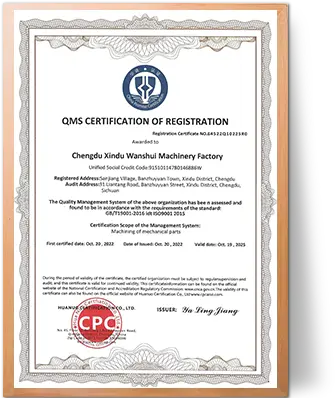
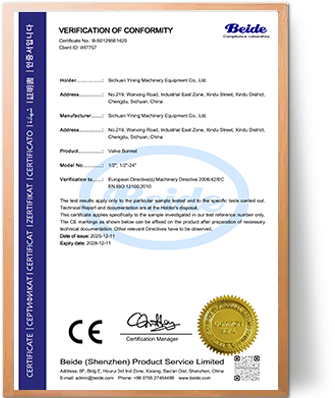
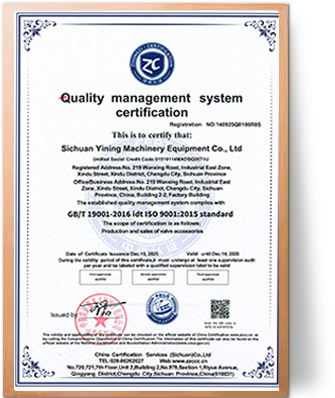
The company has passed the ISO9001 quality management system certification and CE certification, and strictly follows international standards for production and quality control to ensure that every product meets industry and customer requirements.

With years of manufacturing experience and mature production techniques, we have a professional technical and management team with rich theoretical knowledge and practical experience. We adhere to the development direction of "conceptual innovation, technological innovation, and management innovation", constantly improving product quality and enterprise competitiveness.

In the future, Sichuan Yining Machinery Equipment Co., Ltd. will continue to take outstanding quality as the core, customer demands as the orientation, and join hands with partners to create a long-term, stable and mutually beneficial win-win cooperative relationship.

telephone+86-15208308717

Deep Dive: Valve Body Application Scenarios in Water Treatment

Water treatment is not a single process, but a series of physical, chemical, and biological stages. Each stage presents unique challenges to the fluid control infrastructure. Below, we analyze the specific application scenarios where a high-quality valve body for water treatment plants is essential:

1. Seawater Reverse Osmosis (SWRO) Desalination

Desalination is one of the most severe environments for industrial valve bodies. Seawater contains high concentrations of salt, making it highly corrosive. The high-pressure pumps force seawater through semi-permeable membranes, requiring valve bodies to handle pressures up to 1,200 PSI (83 bar). In this scenario, forged ball valve bodies made of Duplex or Super Duplex stainless steel are used. The forging process eliminates internal microscopic voids, preventing the high-pressure fluid from finding weak spots and causing body leakage or stress corrosion cracking.

2. Chemical Dosing and Disinfection Systems

To eliminate pathogens and adjust pH levels, water treatment plants dose chemicals such as sodium hypochlorite, chlorine dioxide, sulfuric acid, and sodium hydroxide. The valve bodies managing these chemicals must be highly inert. Often, precision-machined 316L stainless steel valve bodies or carbon steel valve bodies with specialized polymer linings are deployed. The integrity of the valve stem and bracket is equally critical here; components like the Stainless Valve Stem for Ball Valves must resist corrosive vapors to prevent actuator seizure.

Engineering Insight: In automated chemical dosing lines, the integration of a Pneumatic Three-Way Ball Valve with Handwheel Override ensures that if power or pneumatic air supply fails, operators can manually override the system, avoiding chemical spills or treatment interruptions.

3. Sludge Treatment and Dewatering

The byproduct of water purification is sludge—a thick, abrasive slurry containing organic matter, sand, and chemical flocculants. Valves in these lines experience heavy abrasive wear. Standard gate or ball valves can fail quickly as particles erode the body and seats. Here, high-pressure, corrosion-resistant valve bodies with hard-faced internal surfaces (such as Stellite cladding) are paired with robust valve brackets to withstand the high torque requirements of moving thick sludge.

4. Municipal Drinking Water Distribution

In municipal supply networks, the focus shifts to flow capacity, minimal pressure drop, and compliance with health standards. Valve bodies must be constructed from non-toxic materials (lead-free, food-grade stainless steel or coated carbon steel). These systems utilize large-diameter butterfly and gate valves where the structural integrity of the valve body prevents structural deformation caused by water hammer (hydraulic shock waves).
Our Certificate

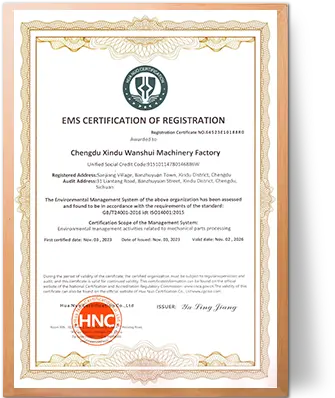
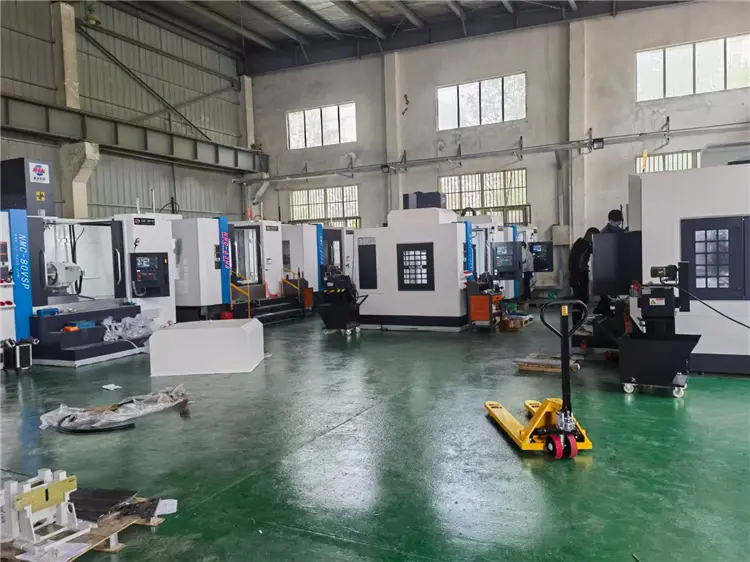
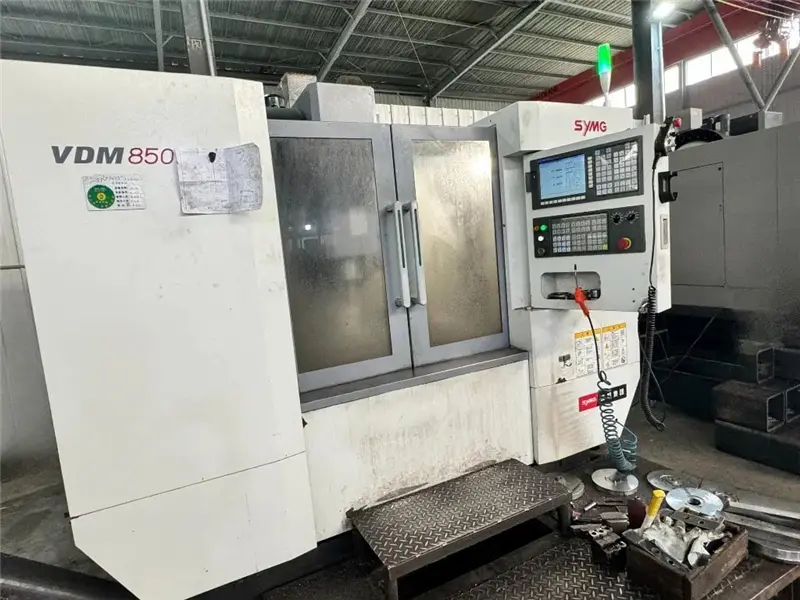
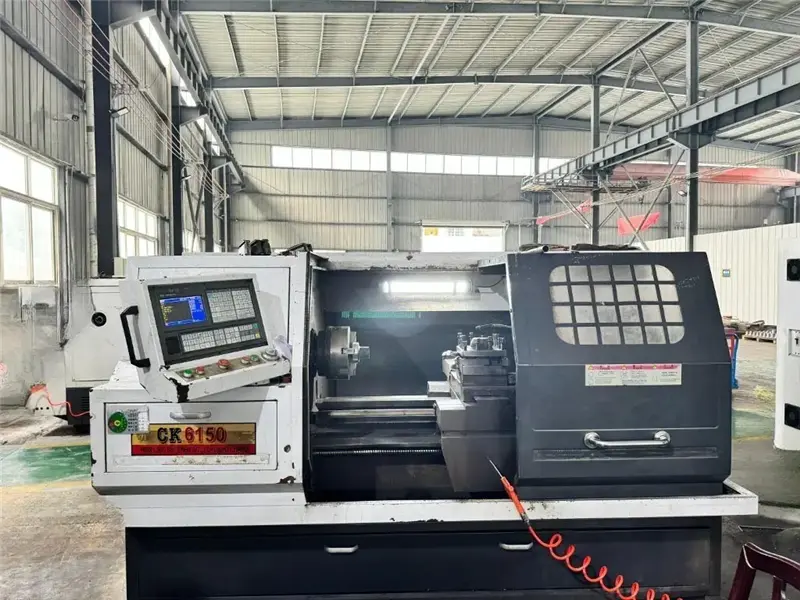
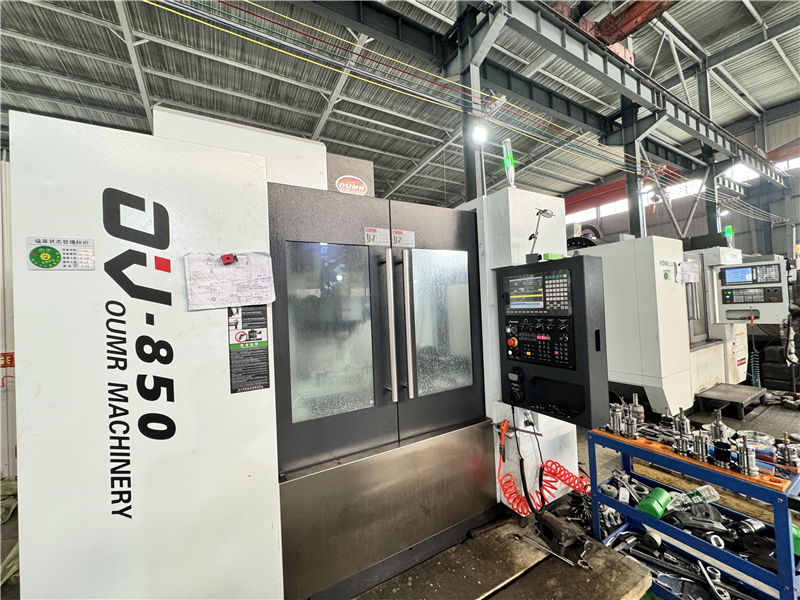
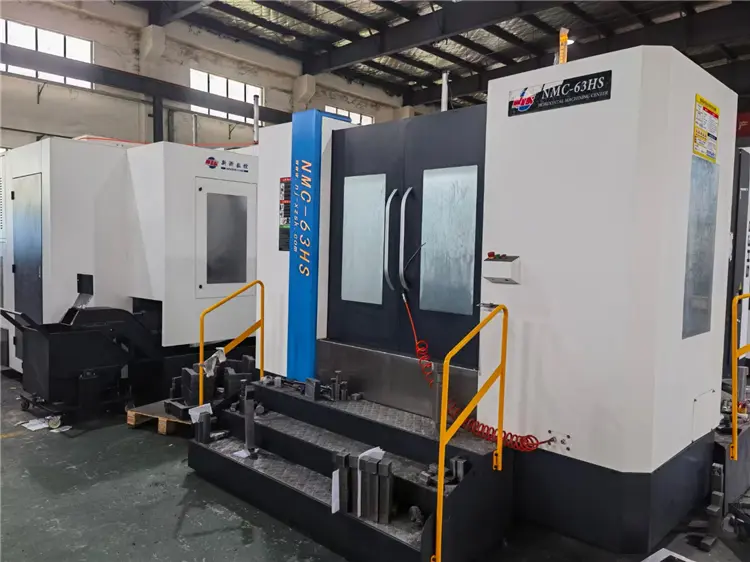
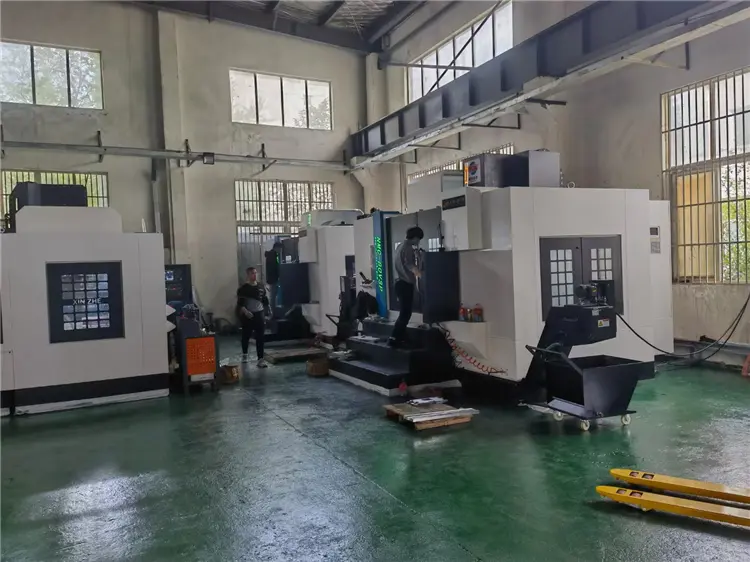
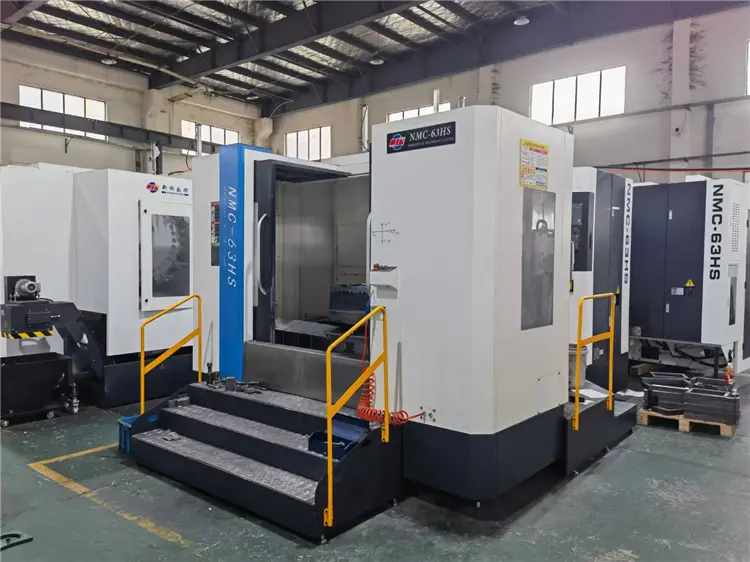
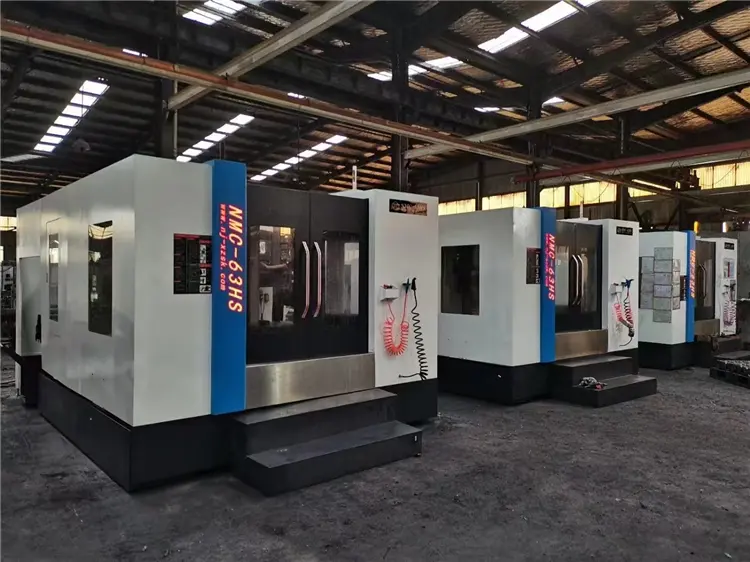
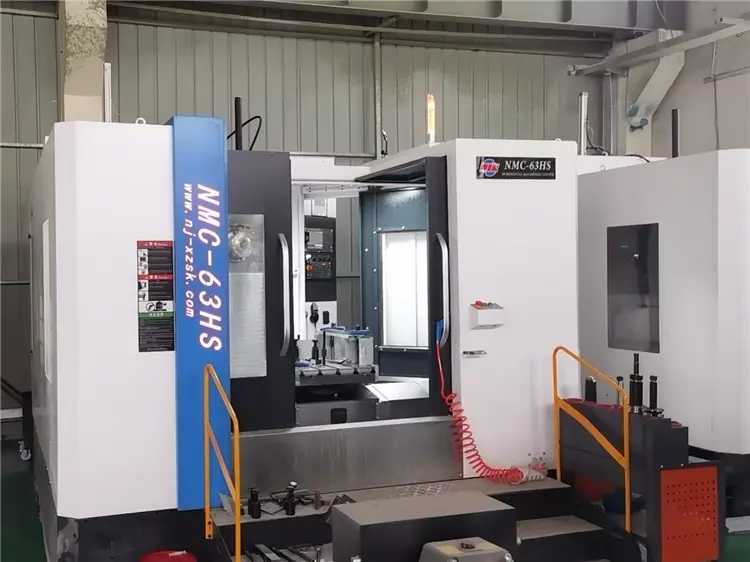
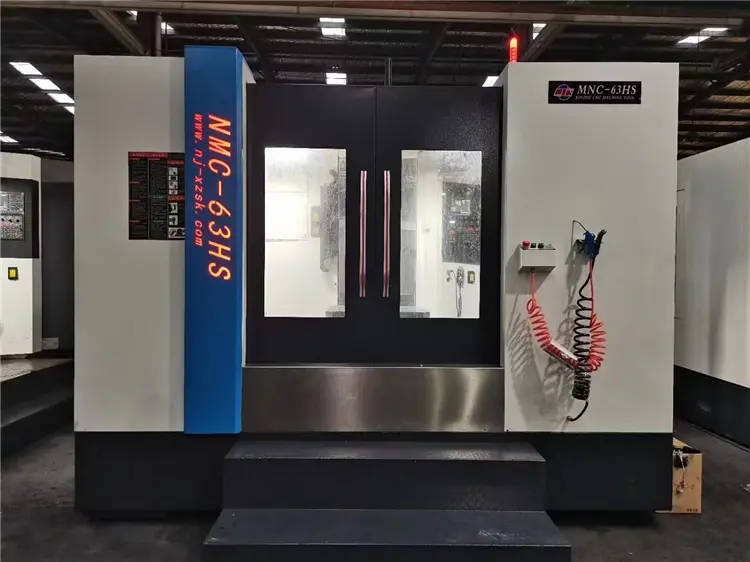
Our company is CE certified and operates under an ISO 9001 quality management system. We are equipped with CNC machines, machining centers, forging and cold forming equipment, as well as physical and chemical testing facilities.

Our valve components are manufactured in accordance with GB, ANSI, JIS, DIN, and BS standards, meeting the conformity requirements of international markets, including Europe.

We machine carbon steel, stainless steel, alloy steel, and special materials such as 410, 420, F304, F316, LF2, A105, 17-4PH, Monel 400, and XM-19, and support custom production based on customer drawings.

CE Certificate 4
CE Certificate 5
CE Certificate 1
CE Certificate 2
CE Certificate 3

Material Science & Manufacturing of Valve Bodies

Choosing the right material for a valve body for water treatment plants is a multi-dimensional engineering decision. It requires balancing chemical compatibility, mechanical strength, thermal limits, and cost-effectiveness. Below is an overview of the primary materials used in modern water plants:

Carbon Steel (A105, WCB)

Carbon steel is highly valued for its mechanical strength and cost efficiency. In non-corrosive sections of water treatment facilities, such as intake raw water lines or dry-air supply systems, forged carbon steel valve bodies (like ASTM A105) provide exceptional durability. However, because carbon steel is susceptible to rust, it is frequently coated with fusion-bonded epoxy (FBE) or paired with corrosion-resistant internal trims. Our Carbon Steel Valve Bracket options offer a robust mounting platform for actuators in these high-torque applications.

Stainless Steel (F304, F316, 17-4PH)

For chemical dosing, reverse osmosis permeate, and clean drinking water lines, stainless steel is the standard. Grade 316 stainless steel contains molybdenum, which significantly enhances its resistance to chloride pitting compared to 304. For high-wear components like stems, precipitation-hardening steels like 17-4PH are used to combine high tensile strength with corrosion resistance, ensuring that components like the Stainless Valve Stem for Ball Valves do not deform under heavy operational cycling.

The Forging Advantage vs. Casting

In municipal and industrial water plants, valve components are subjected to continuous pressure fluctuations. While cast valve bodies are economical for complex geometries, they are prone to internal porosity, sand inclusions, and shrinkage cavities. Forged valve bodies, such as the Forged Steel Valve Body for Ball Valves, are manufactured by hot-working solid steel billets. This refines the grain structure of the metal, aligning it with the contours of the valve body. The result is a component with significantly higher impact strength, fatigue resistance, and pressure-retaining capabilities—critical for avoiding catastrophic water hammer failures in large-scale municipal lines.

Why Choose Us

In addition to comprehensive product supply, our service level is also outstanding. With rich experience in the industry, we are always able to deeply understand the needs of our customers and meet all kinds of OEM customisation requirements. We ensure on-time delivery, prompt response and take care of all after-sales issues.

Factory Building 1
Factory Building
Factory Building 3
Factory Building
Factory Building 2
Factory Building
Factory Building 1-1
Factory Building
Factory Building 5
Factory Building
Factory Building 6
Factory Building
Factory Building 7
Factory Building
Factory Building 8
Factory Building
Factory Building 9
Factory Building
Factory Building 10
Factory Building

Future Trends in Water Treatment Fluid Control

As the concept of Industry 4.0 merges with municipal infrastructure, water treatment plants are transitioning into "Smart Water" facilities. This transformation is directly impacting how valve bodies and their accessories are designed, manufactured, and maintained.

1. Smart Diagnostic Valve Assemblies

Modern plants are integrating IoT sensors directly onto valve brackets (such as our Precision Machined Valve Bracket – 316 Stainless Steel with Bead-Blasted Finish). These sensors monitor vibration, temperature, and cycle counts, sending real-time data to control rooms. By analyzing torque profiles, operators can predict when a valve body is experiencing internal scaling or wear, allowing for scheduled maintenance before a breakdown occurs.

2. Energy Efficiency & Flow Optimization

Pumping water consumes massive amounts of energy. Valve bodies are being redesigned using advanced Computational Fluid Dynamics (CFD) software to optimize internal flow paths. By reducing turbulence and flow resistance within the valve body chamber, plants can significantly lower pressure drops across their networks, saving thousands of megawatt-hours annually.

3. Sustainable Metallurgy

With global focuses on carbon neutrality, manufacturers are optimizing raw material usage. Forged valve bodies minimize waste compared to traditional machining from bar stock. Additionally, the longevity of materials like 316 stainless steel and duplex alloys reduces the frequency of replacement, alignment with circular economy goals.

Any questions for us?

Sichuan Yining Machinery Equipment Co., Ltd. is committed to becoming a trusted partner of global valve companies.

Get In Touch