What is a Valve Body Gasket and Why is it Important?
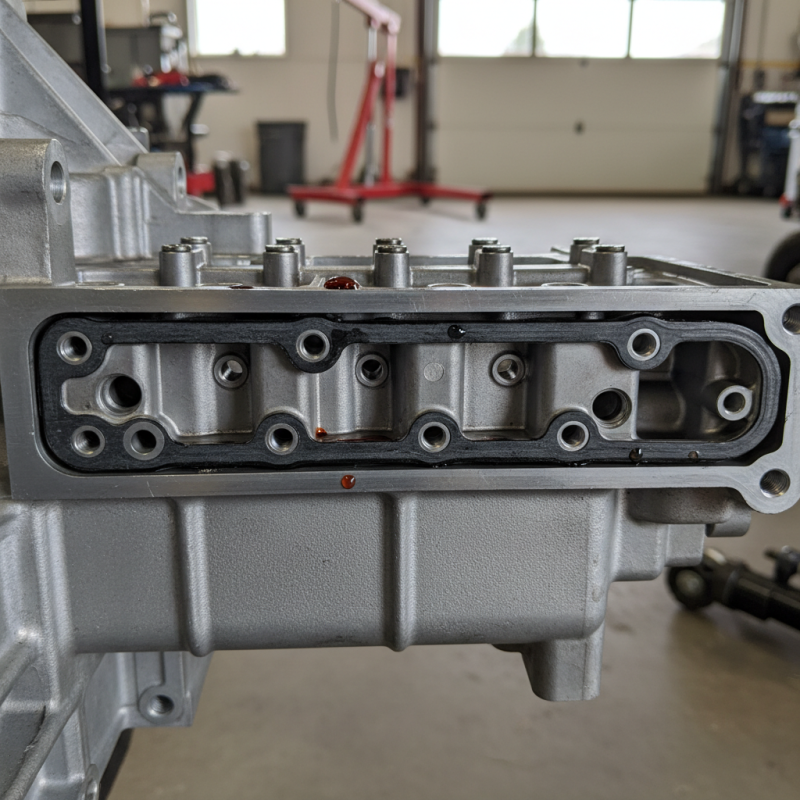
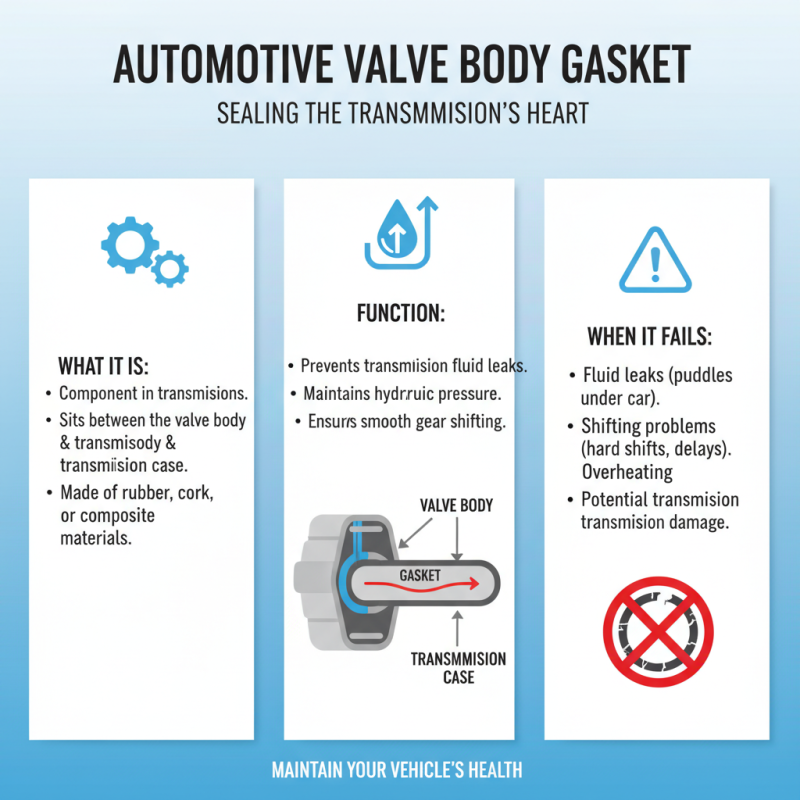
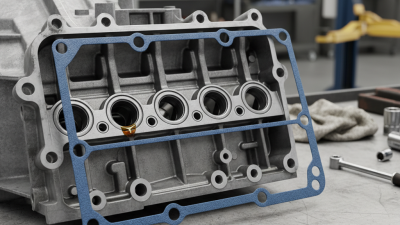
The valve body gasket is a crucial component in an automatic transmission system. It acts as a seal between the valve body and the transmission case. This gasket prevents fluid leaks and ensures proper hydraulic function. Without it, transmission performance can diminish significantly.
Understanding the importance of the valve body gasket is essential for vehicle maintenance. A faulty gasket can lead to low fluid levels. This, in turn, can cause shifting issues and overheating, impacting the entire transmission system. Regular inspections can help prevent these problems.
Many vehicle owners overlook the valve body gasket. This neglect can result in costly repairs later. A proactive approach is always better. By recognizing its role, drivers can maintain better control of their vehicles. Keeping an eye on this small part can save time and money in the long run.
Definition of Valve Body Gasket and Its Function in Vehicles
A valve body gasket is a crucial component in a vehicle's transmission system. It serves as a seal between the valve body and the transmission case. This gasket prevents fluid leaks and ensures proper hydraulic pressure for smooth shifting. When the gasket fails, it can lead to transmission fluid leaks, causing performance issues.
According to the Automotive Research Institute, nearly 20% of transmission failures are attributed to gasket failures. A compromised gasket can also affect temperature regulation within the transmission, causing overheating. This means that the lifespan of the transmission could be significantly reduced if the gasket is not maintained properly.
Many vehicle owners overlook the importance of this small but vital part. A worn or damaged gasket may not show clear symptoms at first. However, ignoring it can lead to costly repairs down the line. Routine maintenance can help identify potential gasket issues. Drivers should pay attention to fluid levels and signs of leaks. Recognizing early warning signs can save time and money.
Key Components Associated with Valve Body Gaskets
Valve body gaskets play a critical role in sealing the valve body of a transmission system. This component ensures that fluid is contained within the transmission, preventing leaks and ensuring optimal performance. A loose or damaged valve body gasket can lead to significant transmission issues. According to the Automotive Industries Association, nearly 30% of transmission failures are linked to gasket failures.
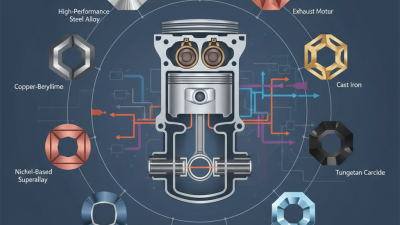
When considering the key components associated with valve body gaskets, it’s vital to recognize the materials used in their construction. High-quality gaskets are often made from rubber, silicone, or composite materials. Each material varies in durability and resistance to heat. Understanding these materials helps in selecting the right gasket for your vehicle's demands.
Tips: Regular inspections can prevent larger issues. Look for signs of leaks or wear around the transmission area. Investing in quality gaskets can save long-term repair costs. Remember, sometimes a small overlooked detail can lead to major problems down the road. Addressing gasket issues promptly helps maintain transmission efficiency, providing smoother gear transitions and better overall vehicle performance.
Common Materials Used in Manufacturing Valve Body Gaskets
Valve body gaskets are crucial in ensuring a complete seal between different components of a valve body. These gaskets prevent leaks and maintain pressure inside the system. However, the success of a valve body gasket largely depends on the materials used in its manufacturing.
Common materials include rubber, silicone, and cork. Rubber is flexible and resistant to various chemicals, making it popular. Silicone gaskets are heat-resistant, ideal for extreme conditions. Cork, while less common, is valued for its compressibility and ability to conform to irregular surfaces. Each material has pros and cons. For example, rubber can degrade over time, while cork may lose its elasticity.
Choosing the right material requires careful consideration. Not all situations demand the same type of gasket. Factors like temperature, pressure, and fluid type matter significantly. An inappropriate choice could lead to leaks and increased maintenance costs. Users must remain aware of these variables to ensure effective sealing. This knowledge is essential for anyone involved in valve maintenance or repair.
Potential Issues Caused by Worn or Damaged Valve Body Gaskets
The valve body gasket plays a crucial role in your vehicle's transmission system. It creates a seal that prevents fluid leaks and ensures proper operation. When this gasket is worn or damaged, it can lead to various issues that affect the transmission's efficiency.
Worn valve body gaskets may cause fluid leaks, leading to low transmission fluid levels. Insufficient fluid can cause overheating and ultimately damage the transmission. You might notice slipping gears or delayed shifting, which can be frustrating for drivers. In severe cases, a damaged gasket can result in complete transmission failure.
Ignoring signs of a failing valve body gasket can have serious consequences. Routine inspections can identify early wear and prevent larger issues. Maintaining your gasket is vital, yet many overlook this aspect. Always remember: small problems can snowball into major repairs. Be proactive, and ensure that your vehicle's performance remains reliable.
Maintenance Tips for Prolonging the Life of Valve Body Gaskets
Valve body gaskets play a crucial role in sealing various components of a vehicle's transmission system. Their main function is to prevent leaks and ensure proper lubrication. With this in mind, maintaining these gaskets is essential for optimal vehicle performance.
One effective way to extend the life of valve body gaskets is regular inspection. Look for any signs of wear, such as cracks or hardening. If you see any damage, it’s a sign that replacement is necessary. Keeping the transmission fluid clean and topped off helps reduce stress on gaskets. Contaminated fluid can accelerate gasket wear.
Using the correct torque specifications during installation is vital. Over-tightening can lead to deformation. Moreover, a high-quality sealant can enhance the lifespan of the gasket. Remember, neglecting small issues might lead to bigger problems later. Prioritize maintenance for better performance and peace of mind.