Top Union Valves Suppliers in China for Global Buyers?
In recent years, the demand for Union Valves has surged globally. These essential components play a vital role in various industries, particularly in oil, gas, and water management. As global buyers seek reliable suppliers, understanding the landscape of Union Valves in China is crucial. Many suppliers offer a wide range of products, but how do you identify the best options?
China's manufacturing sector is known for its scale and efficiency. However, not all suppliers uphold the same standards. Quality control, materials used, and customer service are often inconsistent. This variability can lead buyers to question the reliability of their choices.
Engaging with reputable Union Valves suppliers is fundamental. Buyers must conduct thorough research and verify certifications. Some suppliers may lack transparency in their practices. This raises concerns about the long-term trustworthiness of their products. A careful approach will ensure that buyers make informed decisions that meet their operational needs.
Introduction to Union Valves and Their Importance in Global Markets
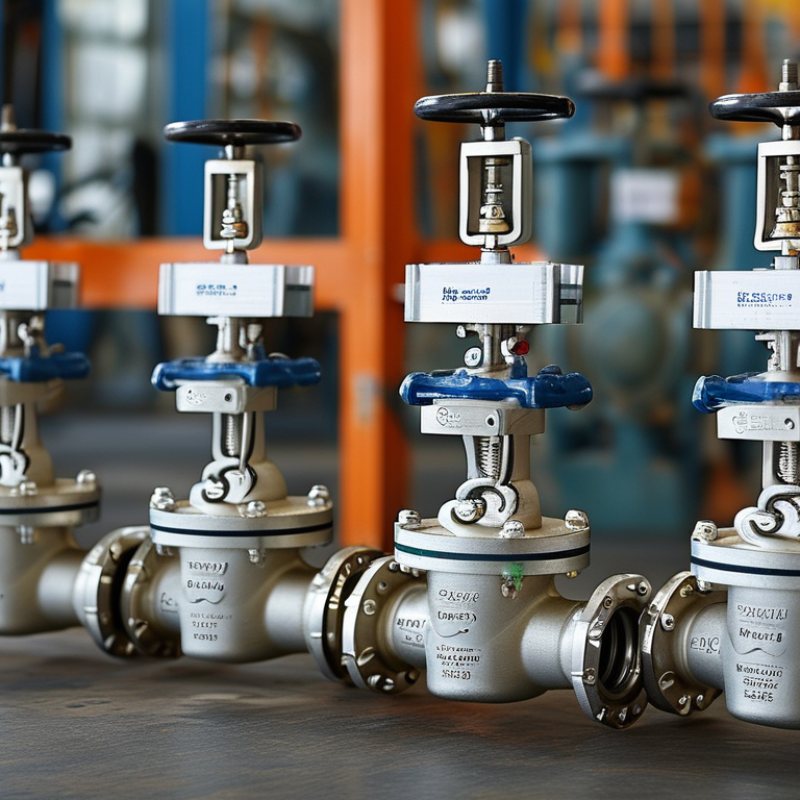
Union valves are critical components in various industries. Their primary role is to connect and disconnect pipes, ensuring the efficient flow of fluids. This versatility makes them essential in sectors like oil and gas, water management, and chemical processing. Union valves provide easy access for maintenance. This reduces downtime and enhances operational efficiency.
However, not all union valves are created equal. The choice of materials and construction quality can significantly impact their performance. Many global buyers are reevaluating suppliers to meet stringent standards. A lack of proper certifications can result in safety issues. This is especially true in high-pressure environments where failures can lead to catastrophic outcomes.
The market for union valves in China presents vast potential. However, navigating it requires careful consideration. It is critical to understand local manufacturing capabilities and quality control measures. Engaging with suppliers demands diligence and research. Receiving samples and conducting thorough tests can help mitigate risks. The goal should always be to balance cost with reliability. Ensuring long-term partnerships often involves assessing both product quality and supplier integrity.
Top Union Valves Suppliers in China for Global Buyers
| Supplier Region |
Annual Production Volume (Units) |
Main Application Industries |
Export Markets |
Quality Certifications |
| East China |
500,000 |
Oil & Gas, Water Supply |
North America, Europe |
ISO 9001, CE |
| South China |
300,000 |
Pharmaceutical, Chemical |
Asia, Africa |
API, ISO 14001 |
| Central China |
400,000 |
Power Generation, Shipbuilding |
Australia, Middle East |
ISO 9001, ASME |
| North China |
250,000 |
Construction, HVAC |
South America, Europe |
ISO 9001, OHSAS |
Overview of China’s Union Valve Manufacturing Industry
China's union valve manufacturing industry has seen rapid growth over the past decade. Recent market reports indicate that the industry is valued at over $5 billion, with an annual growth rate of approximately 8%. The demand for union valves is rising significantly due to the expansion of the oil and gas sector, as well as water treatment applications.
In terms of production capacity, China dominates the global market, accounting for nearly 60% of the world's output. Many manufacturers are investing in advanced technology to enhance efficiency and product quality. However, some challenges persist. The lack of standardized testing and certification may lead to inconsistencies in product reliability. Moreover, varying regulations can create obstacles for exporters seeking to enter international markets.
Expert insights suggest that collaboration within the industry is critical. Knowledge-sharing can improve quality standards and foster innovation. Companies are encouraged to adopt best practices in manufacturing. This approach can mitigate risks associated with subpar products. Ultimately, the success of Chinese union valve suppliers will hinge on their ability to embrace quality improvements while addressing persistent industry-wide issues.
Key Features and Advantages of Top Union Valve Suppliers in China
When exploring the landscape of union valve suppliers in China, several key features emerge that appeal to global buyers. High-quality manufacturing processes are paramount. Many suppliers leverage advanced technology. This enhances precision and durability in their products. Buyers benefit from these meticulous production techniques. Reliable suppliers also maintain stringent quality control standards. This ensures consistency and reduces the risk of defects in shipments.
Additionally, union valve suppliers often provide a diverse range of products. This versatility allows buyers to find specific solutions for their projects. Many suppliers focus on customization, offering tailored options to meet unique requirements. Flexibility in production can be a significant advantage for international clients. However, the challenge remains. Some suppliers might struggle to balance customization with efficiency.
Another aspect buyers should consider is after-sales service. Top suppliers understand the importance of ongoing support. They offer technical assistance and prompt responses to inquiries. Yet, some buyers report inconsistencies in these services. This can lead to frustration and delays. Identifying suppliers who prioritize strong communication can mitigate these issues. Communication can be key to fostering long-term partnerships and ensuring project success.
Leading Union Valve Suppliers: Profiles and Product Offerings
When looking for union valve suppliers in China, consider their expertise and product offerings. Experienced suppliers often provide a range of valves tailored to various industries. The focus is typically on quality and innovation. Many manufacturers ensure that their products meet international standards and enhance operational efficiency. Their engineering teams work tirelessly to improve designs and adapt products to client needs.
Several leading suppliers also showcase their specialization in specific applications. They often produce valves for oil and gas, water treatment, and chemical processing. Understanding the unique requirements of these industries plays a crucial role in product development. Some companies may struggle to maintain consistency in quality across their product lines. This inconsistency can lead to skepticism among potential buyers.
A reliable supplier should provide detailed product information and responsive customer support. Transparency in specifications and manufacturing processes builds trust. Buyers should expect to see comprehensive testing and certification processes. However, not all suppliers maintain rigor in these areas. This gap can prompt buyers to conduct thorough research before finalizing partnerships.
Top Union Valves Suppliers in China for Global Buyers
This bar chart illustrates the production capacity of various union valve suppliers in China. Each supplier's capacity is measured in units produced per year, showcasing the competitive landscape for global buyers.
Assessing Quality and Compliance Standards Among Chinese Suppliers
China has emerged as a key player in the global union valves market. However, the quality and compliance standards of suppliers vary significantly. Recent industry reports indicate that approximately 30% of suppliers do not adhere to international quality certifications like ISO 9001. This raises concerns for global buyers seeking reliability.
Many Chinese suppliers focus on cost-effectiveness over stringent quality control. A study found that only 40% of suppliers conduct regular quality audits. Without consistent checks, defects in valves can lead to major operational failures. Buyers need to carefully vet suppliers, prioritizing those with proven quality management systems.
Sustainability is also becoming crucial. Reports suggest that only 20% of unions meet environmental compliance standards. Suppliers may see this as an obstacle rather than a necessity. Global buyers must demand transparency in sourcing materials and manufacturing processes. The industry may need a mindset shift toward valuing quality over price. Reliable partnerships hinge on commitment to uphold rigorous standards.