Top Union Valves Types for Optimal Performance in Various Industries?
Union Valves play a critical role in various industrial applications. They ensure the efficient handling of fluids, gases, and other substances. According to a recent market report, the global valve market is projected to reach $80 billion by 2025, reflecting a growing demand for reliable components like union valves.
In industries such as oil and gas, water treatment, and manufacturing, union valves are essential for system integrity. Their design allows easy maintenance and replacement, which is crucial for minimizing downtime. For instance, in the petrochemical sector, energy efficiency can improve by 15% with proper valve selection and management.
However, not all union valves are created equal. Choosing the right type requires knowledge of materials, pressure ratings, and specific application needs. This complexity can lead to mistakes if not carefully considered. Addressing these challenges is vital for optimizing performance and ensuring safety across diverse industries. Understanding the nuances of union valves makes a significant difference in operational success.
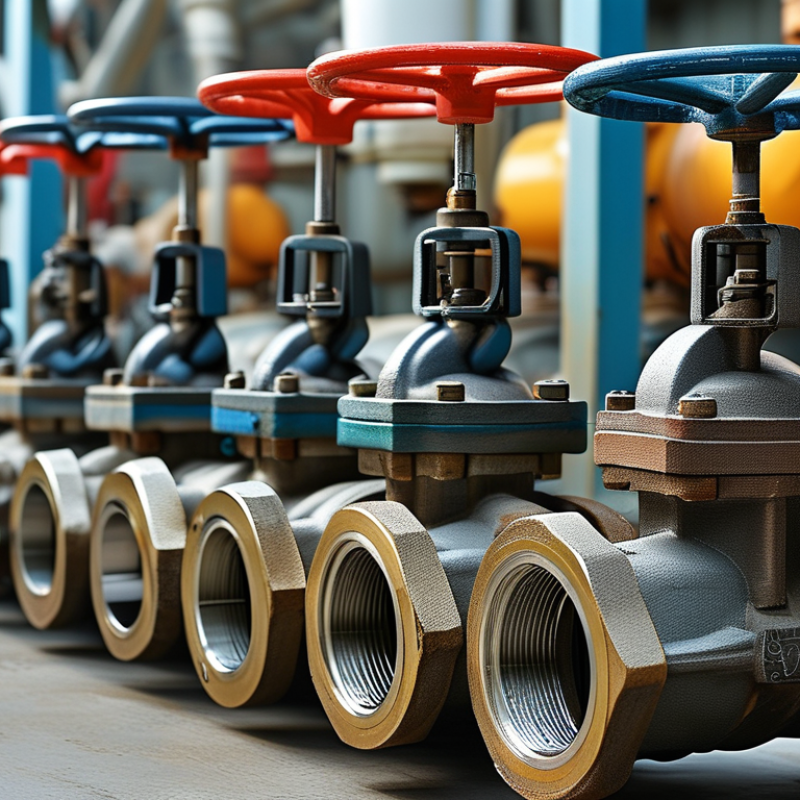
Types of Union Valves and Their Specialized Applications
Union valves play a critical role in various industries, ensuring seamless connectivity in piping systems. These valves are essential for maintenance and system modifications, allowing for quick disconnection without the need for cutting pipes. The types of union valves available in the market today cater to specific operational needs across sectors like oil and gas, water treatment, and pharmaceuticals.
In the oil and gas industry, for instance, threaded union valves are commonly employed for their ease of installation and reliability. According to a report by the American Petroleum Institute, over 75% of production facilities now utilize these valves for ensuring safe and efficient fluid transfer. In water treatment applications, stainless steel union valves offer resistance to corrosion, which increases their lifespan significantly. Data suggests that using such materials can enhance service longevity by up to 40% in harsh environments.
Specialized applications like chemical processing often require high-pressure union valves. Failure to use the correct valve type can result in leaks or systemic failures, leading to costly downtimes. A survey found that nearly 30% of plant managers reported issues attributed to incompatible valve types. Understanding these nuances in union valve applications is crucial for optimal functionality across different industrial settings.
Top Union Valves Types for Optimal Performance in Various Industries
| Valve Type |
Material |
Pressure Rating |
Temperature Range |
Applications |
| Standard Union Valve |
Stainless Steel |
150 PSI |
-20 to 150°C |
Water, Oil, Gas |
| High-Pressure Union Valve |
Carbon Steel |
300 PSI |
-10 to 200°C |
Hydraulic Systems |
| Plastic Union Valve |
PVC |
Schedule 40 |
0 to 60°C |
Chemical Processing |
| Brass Union Valve |
Brass |
200 PSI |
-20 to 100°C |
Air and Gas Lines |
| API Union Valve |
Nickel Alloy |
6000 PSI |
-50 to 350°C |
Oil and Gas Industry |
Understanding the Design and Functionality of Union Valves
Union valves play a crucial role across various industries. Their design focuses on ease of maintenance and efficient flow management. These valves allow for quick disconnection without disturbing the entire piping system. Understanding their functionality can significantly enhance system performance.
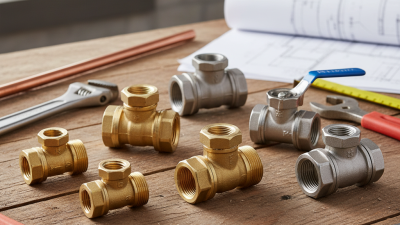
Union valves typically consist of three parts: a body, a nut, and a female fitting. This design leads to straightforward assembly and disassembly. When installed properly, they ensure tight seals and minimize leaks. Maintenance becomes easier, especially during routine checks or repairs.
**Tip:** Regularly inspect the union valves for any wear or corrosion. This helps prevent potential failures. Keep a close eye on the threads and seals, as they can affect performance.
Moreover, they come in different materials to suit various applications, like plastic or metal. This variety can be both an advantage and a challenge. Choosing the wrong material for a specific environment might lead to issues like corrosion.
**Tip:** Consult with industry experts to determine the best material for your specific needs. Their insights can be invaluable in preventing costly mistakes.
In conclusion, while union valves are beneficial, it's important not to overlook proper selection and maintenance. The right knowledge can lead to optimal performance and greater reliability in systems.
Comparative Analysis of Union Valve Materials in Industry Use
Union valves play a critical role across various industries. Their performance significantly relies on the materials used in their construction. Common materials include stainless steel, brass, and plastic. Each material has its strengths and weaknesses, influencing how the valve performs under different conditions.
Stainless steel is often favored for its durability and resistance to corrosion. Reports indicate that over 70% of industries prefer stainless steel for high-pressure applications. On the other hand, brass offers excellent thermal conductivity but may not withstand high pressure as effectively. Plastic valves can be lightweight and cost-effective, yet they might fail under extreme temperatures or pressures. Thus, understanding the material properties is essential for optimal valve selection.
Tip: Always consider the operating environment. Material selection should take into account factors like temperature ranges and potential chemical exposures. Evaluating these aspects can prevent costly failures. Conversely, relying solely on one material type can be a limitation. It’s valuable to assess the specific needs of your application continuously. Keep in mind that evolving technologies may also introduce new materials that enhance performance.
Maintenance Practices for Optimal Union Valve Performance
Union valves are crucial in many industrial applications. Proper maintenance practices are essential for their optimal performance. Regular inspections can prevent unexpected failures. These checks should occur every six months, according to various industry guidelines. Neglecting maintenance can lead to costly downtimes and safety hazards.
Cleanliness is another aspect that cannot be overlooked. Dirt and debris can compromise valve functionality. In fact, a study by the American Society of Mechanical Engineers highlighted that contamination can lead to a reduction in valve efficiency by up to 35%. Using proper sealing and protective covers can mitigate dirt ingress.
Lubrication is also a critical practice. Appropriate grease or oil prevents corrosion and enhances moving parts' operation. However, over-lubrication can create issues. Balancing lubricant quality with quantity is key for longevity. Technicians must receive proper training to ensure these practices are effectively implemented. Regular staff training has shown to improve maintenance outcomes by about 15%, emphasizing the need for skilled personnel in maintaining union valves.
Future Trends in Union Valve Technology Across Different Sectors
In recent years, union valve technology has seen significant advancements across various industries. This evolution is driven by the growing demand for energy efficiency and operational reliability. According to a report from the Global Valve Market, the union valve segment has projected a compound annual growth rate (CAGR) of 5.4% from 2021 to 2028. This underscores the importance of these components in diverse applications, from petrochemical to water treatment industries.
Focusing on the future, the trend toward smart technology integration is evident. Union valves equipped with IoT sensors are becoming more common. These innovations allow for real-time monitoring, predictive maintenance, and improved overall efficiency. For instance, a recent study indicated that predictive maintenance can reduce downtime by up to 30%. However, the rapid shift toward digitization presents challenges. Many facilities struggle to adapt existing infrastructure to new technology, leading to performance inconsistencies.
Another crucial aspect is sustainability. Industries are increasingly seeking eco-friendly materials for valve production. This move aligns with global efforts to reduce carbon footprints. Nevertheless, the cost of switching materials can deter some manufacturers. They must balance sustainability with affordability to remain competitive. This dilemma emphasizes the need for ongoing innovation and research in valve technologies, keeping an eye on both environmental and economic impacts.
Top Union Valves Types for Optimal Performance in Various Industries