Why Choose CNC Machined Valve Body for Your Engineering Needs?
In the world of engineering, precision is key. The choice of materials and manufacturing methods can greatly influence the performance of a component. One expert in the field, Dr. Jane Smith, has stated, "CNC machined valve bodies offer unparalleled accuracy and reliability in high-pressure applications." This assertion underlines the importance of using a CNC machined valve body.
CNC machining allows for meticulous control over the design and production processes. Each valve body is crafted to meet exact specifications, ensuring optimal performance in various environments. From automotive to aerospace sectors, the versatility of CNC machined valve bodies is remarkable. However, some professionals might overlook the potential challenges. Not all machines are equal, and even slight deviations can impact functionality.
Investing in a CNC machined valve body requires careful consideration. While many products on the market boast high quality, it's critical to research suppliers thoroughly. Choosing the right machining technology can significantly affect the build's overall quality. Reflecting on these aspects ensures more informed decision-making in engineering projects.
Advantages of CNC Machining in Valve Body Production
CNC machining has become a cornerstone of valve body production. This precision manufacturing method offers several advantages that can significantly enhance the engineering process. One key benefit is its ability to create complex geometries with tight tolerances. A report from the International Journal of Advanced Manufacturing Technology highlights that CNC machining achieves tolerances of ±0.005 inches, ensuring parts fit seamlessly in high-pressure environments.
Another advantage lies in material efficiency. CNC processes can reduce waste by up to 30% compared to traditional methods. This efficiency not only lowers production costs but also minimizes environmental impact. Many industries prioritize sustainable practices, and reduced material loss is a crucial step towards achieving these goals.
However, the technology is not without challenges. The initial setup costs for CNC machinery can be significant. Moreover, skilled operators are essential to ensure the machines run optimally. This dependency on high-caliber expertise can be a double-edged sword, potentially leading to production delays if skilled labor is scarce. Recognizing these limitations is essential for companies to make informed decisions about incorporating CNC machining into their valve body production processes.
Precision Tolerances and Quality Control in CNC Machined Parts
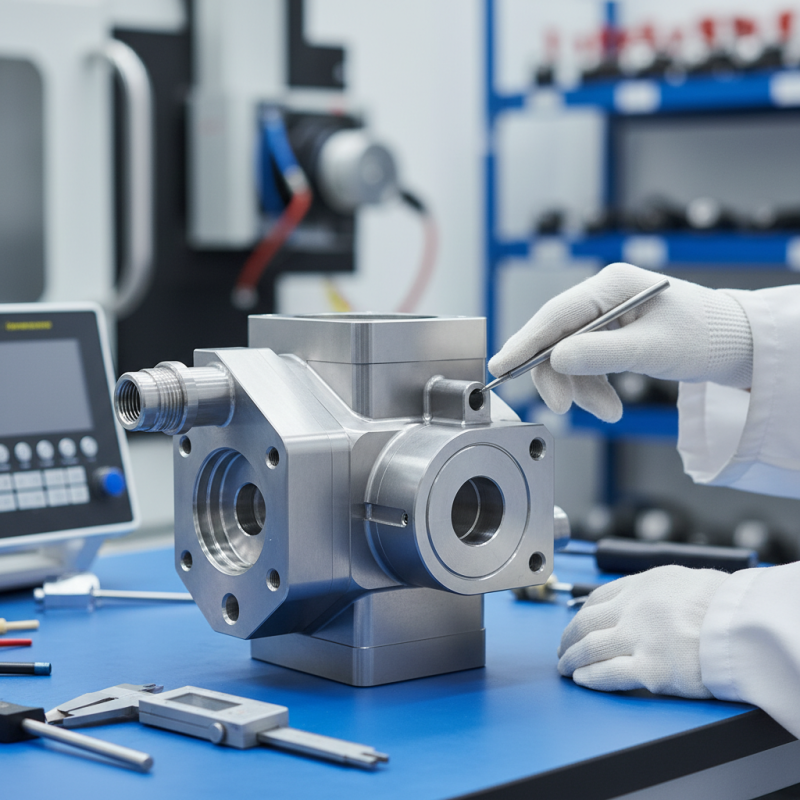
CNC machining has become a cornerstone in modern engineering, particularly when it comes to valve bodies. Precision tolerances in CNC machined parts are crucial for their functionality. With tight specifications, even the smallest deviation can lead to failures. This makes quality control essential in the manufacturing process.
When evaluating CNC machined valve bodies, you should look for rigorous testing and certification processes. Well-established manufacturers implement multi-stage inspection methods. Each stage verifies that components meet or exceed quality benchmarks. This reduces the chance of defects significantly.
Tips: Always ask for detailed quality control reports. Understand the inspection techniques used. This will give you confidence in your choice. Remember, even slight imperfections can lead to significant consequences. It’s critical to ensure that every component meets the necessary standards before proceeding.
Ultimately, the beauty of CNC machining lies in its ability to produce consistently high-quality parts. However, vigilance and a discerning eye for detail are paramount. While many manufacturers achieve high precision, there’s always room for improvement. Encourage an ongoing dialogue about quality practices with your suppliers. This commitment to excellence leads to superior engineering solutions.
Material Selection for Optimal Performance in CNC Valve Bodies
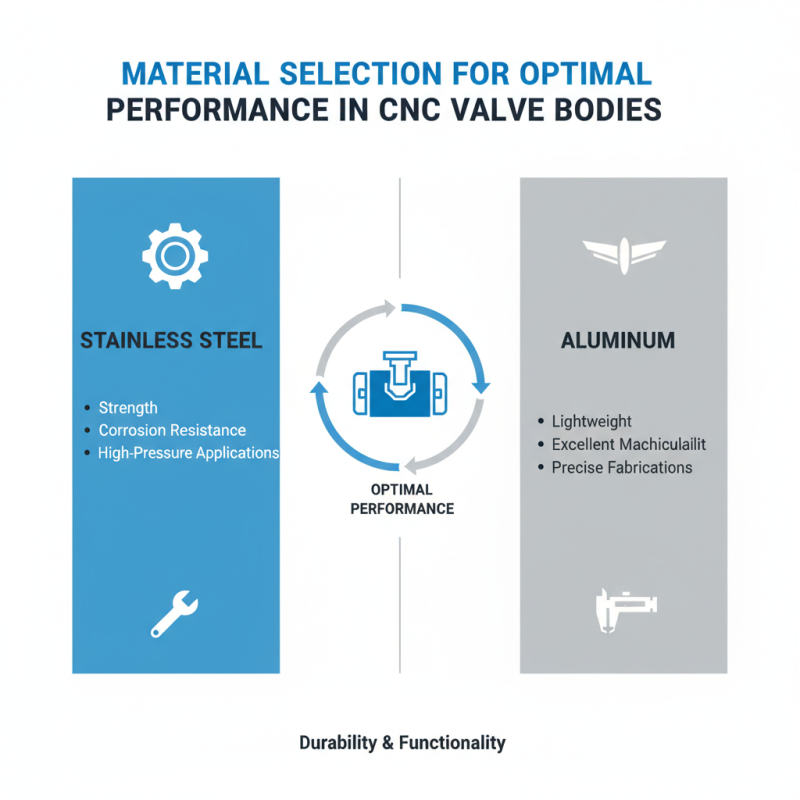
When selecting materials for CNC machined valve bodies, performance is crucial. The right material can significantly impact durability and functionality. Recent industry reports highlight that stainless steel and aluminum are among the top choices. Stainless steel is known for its strength and corrosion resistance, which is vital in high-pressure applications. Aluminum, on the other hand, provides a lighter solution without sacrificing performance. Its excellent machinability allows for precise fabrications.
Choosing the wrong material can lead to failures. A study by the Manufacturing Institute reported that over 30% of components fail due to improper material selection. This not only affects functionality but can also lead to costly downtime in engineering projects. Many engineers overlook the environmental impact of material choices. While lightweight materials are often preferred, they may not always be the most environmentally responsible option.
Engineers must balance performance, cost, and sustainability. Understanding the thermal properties of materials is another layer to consider. For example, aluminum's thermal conductivity helps dissipate heat effectively, but is it suitable for every application? Awareness of these factors helps in making informed decisions. The right material ensures longevity and reliability in CNC machined valve bodies.
Cost Efficiency and Time Savings of CNC Machining Techniques
CNC machining brings significant cost efficiency and time savings to the engineering sector. By using computer-controlled tools, manufacturers can produce intricate valve bodies with high precision. This minimizes waste, as materials are cut precisely, leaving less scrap. The process allows for the creation of complex shapes and sizes that would be difficult to achieve with traditional methods.
One major benefit of CNC machining is the reduction in lead times. Once the design is finalized, parts can be produced quickly. This speed allows engineers to prototype and iterate faster, leading to improved product development cycles. However, relying solely on CNC may lead to a lack of flexibility in design adaptations. It’s essential to maintain a balance between automated and manual processes.
Tip: Always review design files for errors before submission. Small mistakes can lead to costly production delays. Also, consider how different materials affect machining time and cost. The choice you make in material can drastically alter the efficiency of the overall project. Another tip: communicate closely with your machining provider for better outcomes.
Industry Applications and Trends for CNC Machined Valve Bodies
CNC machined valve bodies are essential components across various industries. Their applications include hydraulic systems, automotive manufacturing, and aerospace technologies. These components offer precision engineering, which is crucial for efficiency and reliability. The ability to produce complex geometries is a game-changer. Manufacturers can tailor designs to meet specific operational demands and fluid dynamics.
Current trends in CNC machining emphasize automation and advanced materials. Many companies are investing in technologies that improve production speed and accuracy. Lightweight materials are increasingly popular, especially in aerospace applications. However, there are challenges. Not all projects can justify the initial investment in CNC machining. Furthermore, staying updated with the latest software and programming techniques requires ongoing training.
Quality control remains a concern as well. Even small inconsistencies can lead to significant issues in performance. Engineers need to implement rigorous testing and validation processes. Not every machining provider possesses the same level of expertise. It's vital to assess capabilities before collaboration. As the industry evolves, adaptability will be key to meeting future demands in CNC machined valve body production.
Usage of CNC Machined Valve Bodies Across Various Industries