How to Choose the Right Cast Valve Body for Your Needs?
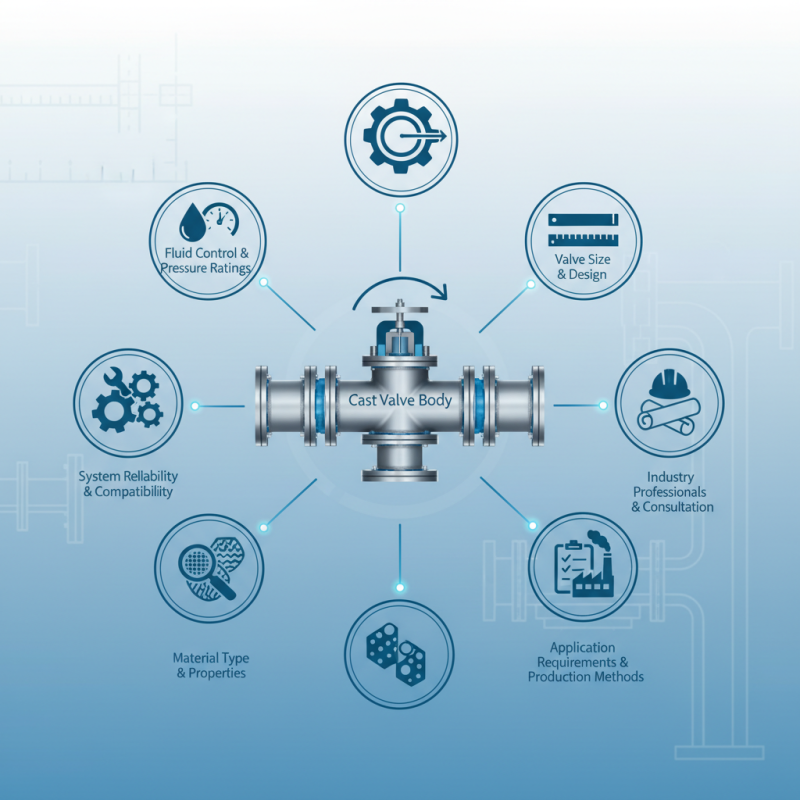
Choosing the right Cast Valve Body is crucial for effective fluid control in various applications. The right selection ensures efficiency and longevity in performance. Many factors influence this decision, from material type to valve size and design.
Having a reliable Cast Valve Body improves system reliability. You might have considered several options, but understanding your specific needs is vital. Factors like pressure ratings and compatibility can make a big difference. Too often, users overlook these details.
Selecting the correct model can indeed be daunting. It's essential to consult with industry professionals. They can offer insights into material properties and production methods. Evaluating the application requirements can prevent costly mistakes. Remember, a well-chosen Cast Valve Body contributes to better system operation.
Understanding Different Types of Cast Valve Bodies and Their Applications
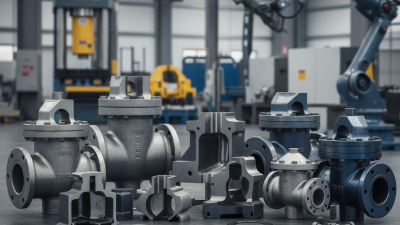
Choosing the right cast valve body requires an understanding of its types and applications. There are primarily two types: ductile iron and gray iron. Ductile iron offers higher tensile strength, making it suitable for high-pressure applications. According to a recent industry report, ductile iron castings can withstand pressures up to 25% more than gray iron. This strength is essential in sectors like oil and gas.
Gray iron valves, on the other hand, are often chosen for their superior machinability and lower cost. They are sufficient for applications in water treatment or light industrial use. However, the choice is not straightforward. In situations where pressure and corrosion resistance are critical, gray iron may fail, leading to costly repairs. A study by the American Foundry Society shows a 15% increase in failure rates for valves made from gray iron under severe conditions.
Material selection should also consider environmental factors. Corrosive environments can degrade both types, but coatings can enhance durability. Yet, the effectiveness of these coatings varies. There’s also variability in the manufacturing process that might affect the final product's reliability. It is crucial to assess not only the material but also how it will perform in your specific application.
How to Choose the Right Cast Valve Body for Your Needs?
| Type of Cast Valve Body |
Material |
Applications |
Advantages |
Common Sizes (Inches) |
| Globe Valve Body |
Cast Iron |
Water Management, HVAC |
Good for throttling, durable |
2, 4, 6 |
| Ball Valve Body |
Stainless Steel |
Oil & Gas, Chemical Processing |
Low pressure drop, high flow rates |
1, 3, 5 |
| Check Valve Body |
Bronze |
Pumping Stations, HVAC |
Prevents backflow, reliable |
2, 3, 4 |
| Butterfly Valve Body |
Ductile Iron |
Water Treatment, Wastewater |
Lightweight, fast operation |
6, 8, 10 |
Factors Influencing the Selection of Cast Valve Bodies: Material and Design
Selecting the appropriate cast valve body requires a deep dive into material and design factors. Different materials offer unique benefits and drawbacks. For example, ductile iron provides high strength and resistance to shock loads. However, stainless steel, while more corrosion-resistant, may be less suitable in high-pressure environments. According to industry experts, nearly 35% of failures in valve systems result from material selection. This highlights the importance of informed decisions.
Design also plays a crucial role in valve performance. The contour and size impact fluid dynamics significantly. A valve body designed for low-pressure applications may fail in high-demand scenarios. Inadequate design can reduce efficiency by as much as 20%, leading to operational setbacks. A report by the Valve Manufacturers Association emphasizes that improper design costs industries billions annually. Addressing these factors ensures not only reliability but also long-term cost savings.
Finding the right balance is challenging. Users must consider operating conditions and expected lifetimes. It is not always clear what the best fit is. Each choice carries implications for performance and maintenance. Failing to evaluate these aspects can result in unexpected issues, requiring further scrutiny and adjustments post-purchase. This reflection is key to reducing future risks and ensuring optimal function.
Factors Influencing the Selection of Cast Valve Bodies
This chart represents the key factors influencing the selection of cast valve bodies, including Material Type, Design Complexity, Corrosion Resistance, and Temperature Tolerance.
Evaluating Performance Specifications: Pressure Ratings and Flow Characteristics
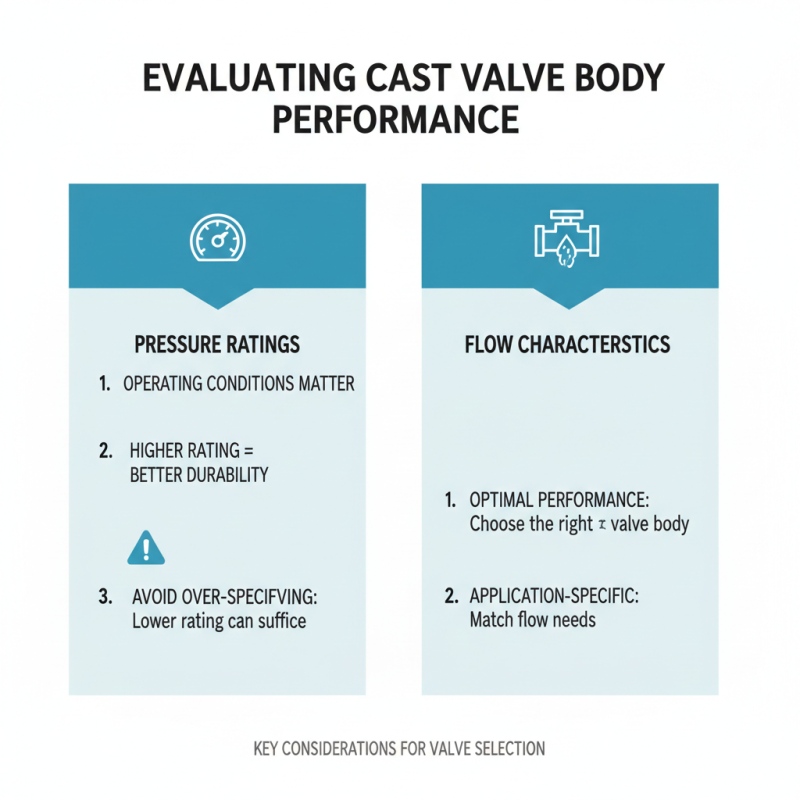
Choosing the right cast valve body is crucial for optimal performance. When evaluating pressure ratings, pay attention to the operating conditions. Higher pressure ratings typically mean better durability. However, do not overlook the potential for over-specifying. Sometimes, a lower rating can suffice for specific applications.
Flow characteristics also play a significant role. Consider the fluid type, viscosity, and temperature. A valve that performs well in one environment might fail in another. Look for valve bodies with features that match your particular needs. This includes flow rates and resistance to cavitation.
It’s valuable to consult with professionals about your selection. Their insights can help navigate complexities. Their experience often reveals common pitfalls to avoid. Remember, not every expensive option is the best. Sometimes, a simpler design might provide the reliability you need. Always evaluate your unique requirements against the specifications of your chosen valve body.
Cost vs. Quality: Balancing Budget Constraints with Operational Needs
Choosing the right cast valve body involves understanding both cost and quality. Many operators face budget constraints. It's often tempting to choose cheaper options. However, lower costs can lead to higher long-term expenses. Quality components typically offer better durability and efficiency, leading to fewer repairs and replacements.
One must weigh the benefits against the initial cost. Investing in higher-quality valve bodies may strain your budget now. Yet, this choice can save significant amounts over time. Think of reduced downtime and increased operational efficiency. Analyzing materials and design features can help clarify this decision.
It's important to reflect on your unique operational needs. Are you handling corrosive fluids or high pressure? These factors dramatically influence the type of valve body required. Sometimes, skimping on quality leads to safety issues. Evaluate your environment; the right choice often pays off in the long run.