How to Choose the Right Bolted Bonnet for Your Project?
Choosing the right bolted bonnet for your project can be challenging. According to John Smith, a leading expert in valve manufacturing, "Understanding your application's needs is crucial for selecting the best bolted bonnet." This emphasizes the importance of careful evaluation.
In the bolted bonnet industry, quality and reliability are paramount. These components are essential for ensuring proper sealing and preventing leaks. A poorly chosen bolted bonnet can lead to failures. It's vital to consider materials, pressure ratings, and temperature conditions. Each project may have unique requirements that demand specific parameters.
No solution is perfect. Some bolted bonnets may seem ideal but could fall short in real-world applications. It's important to research and seek expert advice. Engaging with experienced professionals like John Smith can provide insights that may not be obvious at first glance. A thoughtful approach to selecting a bolted bonnet can ultimately protect your project’s integrity.
Understanding Bolted Bonnets and Their Applications
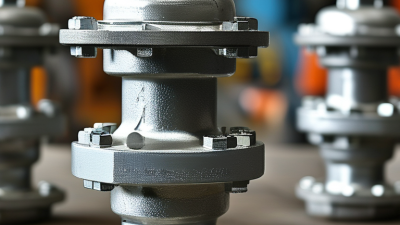
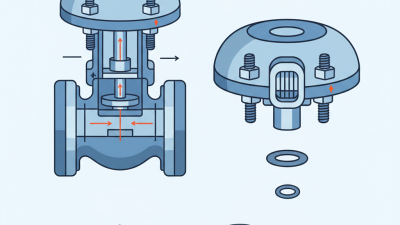
Bolted bonnets are critical components in various industrial applications. They serve as a reliable method for sealing valves, ensuring that pressure and fluid do not escape. Understanding their design and functionality is essential for any project. Different materials offer unique benefits, influencing choice based on the application. Selecting the right material can enhance durability and reduce maintenance.
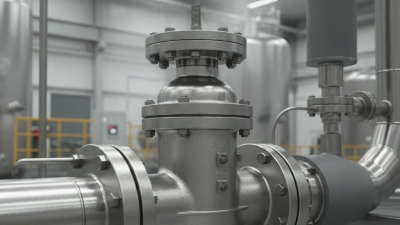
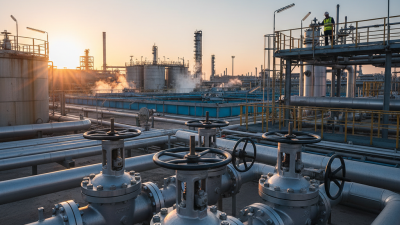
These bonnets can be found in diverse environments, from oil and gas to water treatment. Each setting demands specific characteristics. For instance, high-temperature applications might require specialized materials to withstand extreme conditions. As projects often face unique challenges, it’s vital to assess the environment before making a decision.
Many encounter difficulties in choosing the right bolted bonnet. Evaluating the pressure rating and temperature limits can help narrow options. Be aware of potential issues, such as compatibility with fluids and the impact of corrosion. Engaging with an expert can provide clarity and prevent costly mistakes. Regularly reviewing choices is essential, as project requirements may shift over time. Balancing various factors leads to better outcomes.
How to Choose the Right Bolted Bonnet for Your Project?
| Criteria |
Considerations |
Applications |
Materials |
| Pressure Rating |
Choose based on system requirements. |
Used in high-pressure pipelines. |
Stainless Steel, Carbon Steel, Alloy Steel |
| Temperature Range |
Consider materials that withstand the required temperatures. |
Applicable in heating and cooling systems. |
Thermoplastic, Bronze, Cast Iron |
| Size & Dimensions |
Select based on pipeline dimensions. |
Used in various industrial applications. |
Customizable based on requirements |
| Installation Requirements |
Consider ease of assembly and maintenance. |
Common in nuclear and water treatment plants. |
Various metal composites |
| Cost |
Budget considerations for project. |
Used in cost-sensitive applications. |
Mild Steel, Aluminum |
Key Factors to Consider When Selecting Bolted Bonnets
Choosing the right bolted bonnet for your project is crucial. Various factors impact your decision. Material selection is essential. Consider the environment where the bonnet will be used. Will it face extreme temperatures or corrosive substances? For example, stainless steel offers great corrosion resistance. On the other hand, carbon steel may be more cost-effective for less harsh conditions.
The size and pressure rating of the bolted bonnet must align with your system’s specifications. Mismatched sizes can lead to leaks and failures. Pressure ratings ensure safety and reliability. Check the manufacturer’s guidance. Additionally, installation ease should not be overlooked. Complex designs may lead to installation errors. Sometimes, parts may not fit perfectly, causing frustration.
Lastly, consider maintenance accessibility. A bonnet that is difficult to access can lead to higher maintenance costs. Think about long-term use. Regular checks are necessary for safety and performance. Finding the right balance of material, size, and maintenance can help reduce future issues. It’s a decision that requires careful thought and evaluation.
This bar chart illustrates key factors to consider when selecting bolted bonnets for your project, with their respective importance levels expressed in percentages.
Material Options for Bolted Bonnets: Pros and Cons
When selecting a bolted bonnet, material choice is crucial. Common options include stainless steel, carbon steel, and alloy steel. Each material has distinct advantages and drawbacks that professionals must consider.
Stainless steel is known for its excellent corrosion resistance, making it suitable for harsh environments. However, it can be more expensive. According to a report by the American Society of Mechanical Engineers, stainless steel bonnets can increase costs by up to 30% compared to carbon steel alternatives. Although they exhibit longevity, the initial investment can deter some budget-conscious projects.
Carbon steel, on the other hand, is cost-effective and widely used. It provides adequate strength for many applications. Yet, it can suffer from rust and degradation over time when exposed to moisture. Maintenance can add further costs. Data from the National Association of Corrosion Engineers shows that carbon steel can have a lifespan reduction of around 50% in corrosive conditions. This could lead to potential project delays and increased maintenance efforts, prompting a re-evaluation of material selection.
Installation and Maintenance Tips for Bolted Bonnets
When choosing a bolted bonnet for your project, installation and maintenance play crucial roles. Proper installation requires precise alignment of the bonnet and valve body. Use the appropriate gaskets to prevent leaks, ensuring they are compatible with the operating environment. Tightening bolts evenly is essential. Over-tightening can warp the bonnet, while under-tightening may lead to leaks. Regularly inspect the bolts, checking for signs of wear or loosening.
Maintenance is equally important. Schedule routine inspections to identify potential issues. Replace gaskets when necessary, as they can degrade over time. A common oversight is neglecting to clean the bonnet's sealing surfaces. Dirt can lead to leaks and reduced efficiency. When removing the bonnet for maintenance, keep track of all components to avoid losing parts. Document any changes made during maintenance to help track performance over time. Balancing these aspects will ensure optimal performance and longevity of your bolted bonnet system.
Common Pitfalls to Avoid When Choosing a Bolted Bonnet
Choosing the right bolted bonnet can be challenging. Common pitfalls exist that can lead to project setbacks. One major mistake is underestimating the importance of material selection. According to industry reports, steel and stainless steel are the most used materials for bolted bonnets. Each material behaves differently under stress and temperature changes. Choosing the wrong one can lead to leaks or failures.
Another pitfall is ignoring the necessary pressure ratings. Many engineers fail to consider the operational pressure that the bonnet will endure. A mismatch can result in catastrophic failure. In a study by the American Society of Mechanical Engineers, nearly 25% of accidents in piping systems were attributed to inadequate pressure ratings. Engineers must also evaluate gasket compatibility. Gasket issues can lead to performance problems, further complicating projects.
Lastly, poor installation practices could undermine even the best choices. Over-tightening or misalignment may create weak points. Research indicates that proper torque settings can prevent up to 30% of installation-related failures. Taking time to follow guidelines can significantly enhance reliability. These are key reflections that can save time and money in the long run.