How to Choose the Right Gate Valve Seal for Your Project?
Choosing the right gate valve seal is crucial for project success. A proper seal ensures leak-free performance and longevity. In various industrial applications, the right choice significantly impacts efficiency and safety.
When selecting a gate valve seal, consider the operating conditions. Temperature and pressure play vital roles. Different materials offer diverse strengths and weaknesses. For instance, rubber seals may perform well at low pressures but could fail in extreme heat.
Assessing the environment is equally important. Corrosive substances can deteriorate certain seals, leading to failures. Make sure to understand the substances the valve will encounter. Ultimately, the decision should be informed by both experience and professional knowledge. Choose wisely; a wrong seal can lead to costly repercussions.
Understanding the Function of Gate Valve Seals in Fluid Control Systems
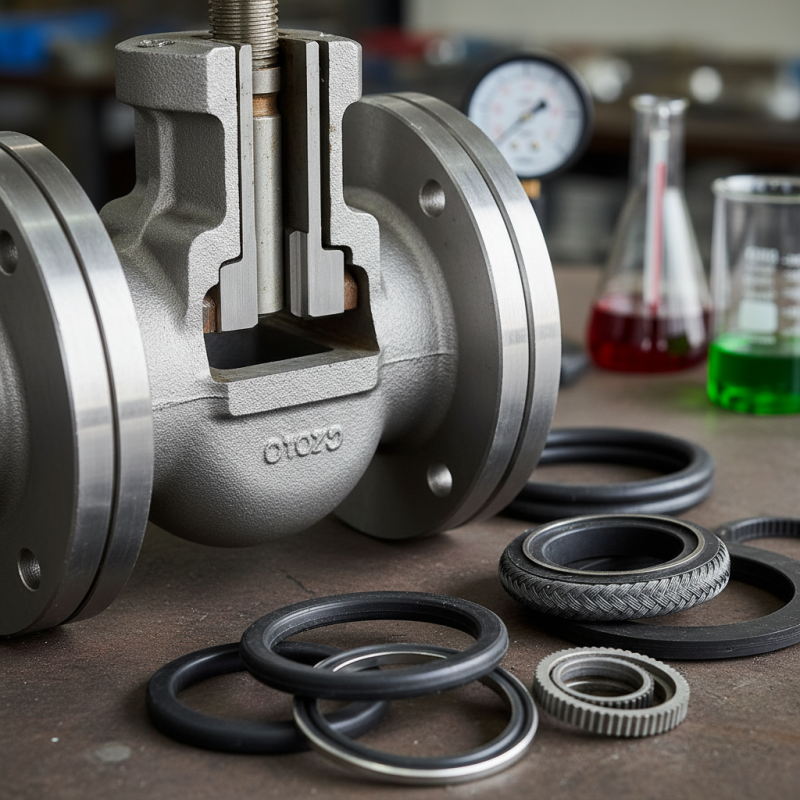
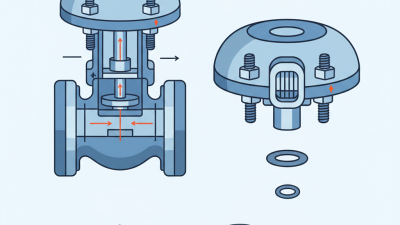
Gate valve seals play a crucial role in fluid control systems. They ensure a tight seal when the valve is closed, preventing leaks and maintaining system integrity. The effectiveness of these seals directly affects the performance and longevity of the valve. Proper sealing is vital for a range of applications, from water supply systems to industrial processes.
Selecting the right seal is not always straightforward. Consider the type of fluid moving through the system. Different fluids can require specific materials for optimal sealing. For example, high-temperature fluids may necessitate seals made from specialized materials. Additionally, the pressure levels in your system matter. Too much pressure can compromise the seal's integrity.
It's essential to understand the specific requirements of your project. Evaluate the operating conditions and the materials involved. A mismatch can lead to premature seal failure or inefficient operation. Sometimes, experimenting with various seal types can yield better results, but this method may lead to unexpected issues. Attention to detail in this selection process is necessary for achieving a reliable and effective fluid control system.
How to Choose the Right Gate Valve Seal for Your Project?
| Seal Material |
Temperature Range (°C) |
Pressure Rating (PSI) |
Application Type |
Advantages |
| EPDM |
-40 to 120 |
150 |
Water Systems |
Excellent resistance to heat and ozone. |
| PTFE |
-200 to 260 |
300 |
Chemical Processing |
Outstanding chemical resistance and low friction. |
| Nitrile |
-40 to 100 |
200 |
Oil and Fuel Handling |
Good resistance to oils and fuels. |
| Silicone |
-60 to 200 |
150 |
Food and Beverage |
Non-toxic and high elasticity. |
| Viton |
-20 to 200 |
300 |
Hydrocarbon Applications |
Excellent heat and chemical resistance. |
Key Factors to Consider When Selecting Gate Valve Seals
Choosing the right gate valve seal is crucial for operational efficiency. Several key factors should guide your selection process. Material compatibility is one of the top considerations. The seal must withstand the chemicals and temperatures within your system. An incompatible material can lead to failure, causing leaks or performance issues.
Another vital aspect is the seal's design. Different applications require varying sealing designs, whether flat or convoluted. A proper fit is essential to maintain pressure and prevent leak paths. Poorly fitting seals can result in inadequate sealing, which may lead to increased maintenance costs.
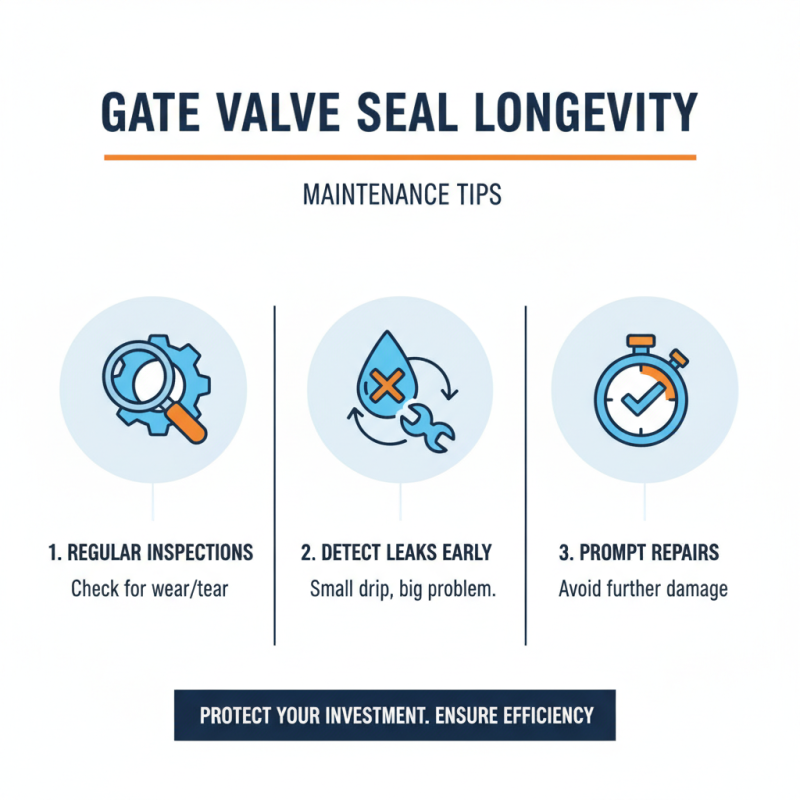
Tips: Always consider the pressure and temperature ratings when selecting seals. This will help you avoid unforeseen issues in high-stress applications. Regularly check the seals during routine maintenance. Early detection of wear can save costly repairs. Remember, not every seal will work perfectly for each project. Understanding your application's specific needs is essential for making an informed choice.
Common Materials Used for Gate Valve Seals and Their Applications
When selecting a gate valve seal, understanding the materials involved is crucial. Common materials include rubber, PTFE, and metal. Each has its distinct properties, suitable for specific applications. Rubber seals offer good flexibility and are often used in water systems. They provide a tight seal but may degrade over time.
PTFE, on the other hand, resists chemicals and high temperatures. It’s ideal for harsh environments. Its durability can outweigh initial costs. However, it may not perform well in low-pressure situations. Metal seals, while robust, can be costly and require precise manufacturing. They are often employed in high-pressure applications.
Choosing the right seal involves understanding the operational environment. Depending on temperature, pressure, and fluid type, each material presents advantages and drawbacks. Sometimes, experimentation is needed to find the best fit. After all, not every application will yield perfect results immediately. Learning from failures can guide future choices.
Common Materials Used for Gate Valve Seals and Their Applications
Assessing Temperature and Pressure Requirements for Seal Selection
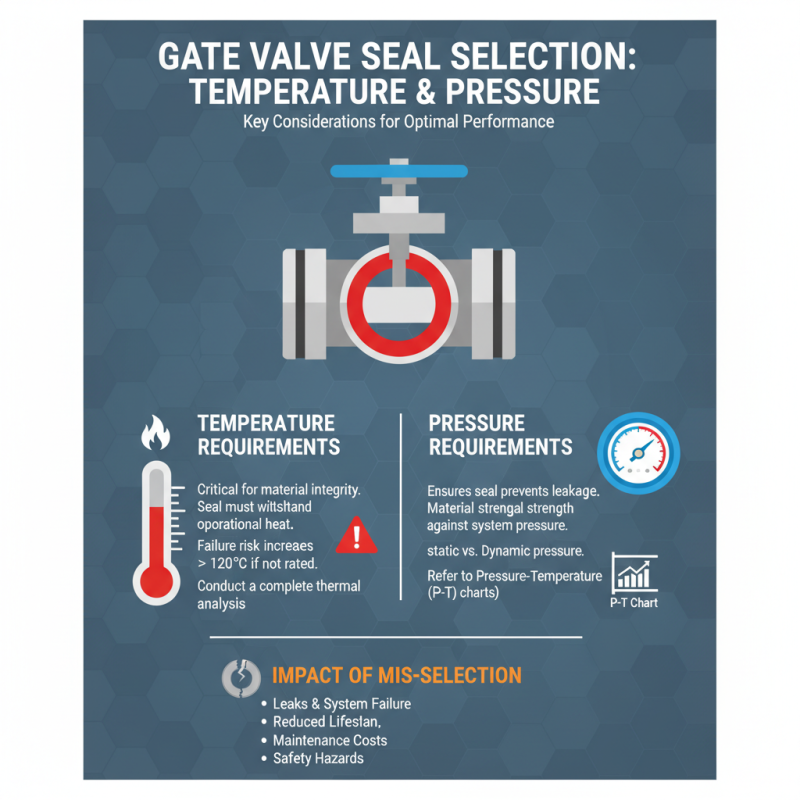
When selecting the right gate valve seal for your project, understanding temperature and pressure requirements is crucial. The seal material must withstand the operational conditions to ensure optimal performance. According to industry reports, seals can fail if they’re not rated for the specific temperature ranges; many seals only perform effectively below 120°C. This emphasizes the importance of conducting a complete thermal analysis of your system.
Pressure levels also significantly impact the choice of seal material. For example, seals exposed to pressures exceeding 200 psi may require reinforced designs to prevent leaks. Research indicates that improper seal selection leads to maintenance costs, often 25% of operational budgets. Understanding these dynamics helps prevent failures and enhances system reliability.
Sometimes, choosing the correct seal isn’t straightforward. Some users may overlook factors like chemical compatibility with sealants. This can lead to rapid degradation, especially in harsh environments. Both temperature and pressure should be assessed critically along with potential chemical interactions to achieve a successful seal choice. Moreover, consulting with experienced engineers can provide deeper insights, improving project outcomes significantly.