How to Choose the Right Bellows Valve for Your Needs?
Choosing the right Bellows Valve is crucial for many industrial applications. These valves are designed to prevent leakage in high-pressure environments. According to a recent industry report, the global valve market is projected to reach $80 billion by 2025, with a significant portion dedicated to specialized valves like bellows types.
Bellows Valves provide excellent sealing capabilities, making them ideal in chemical processing and pharmaceutical industries. They can withstand extreme temperatures and pressures, ensuring safety and efficiency. However, selecting the right Bellows Valve can be confusing due to various factors. These include material compatibility, pressure ratings, and environmental conditions.
Neglecting these factors can lead to valve failure, resulting in costly downtime. A study noted that improper valve selection caused an estimated $2 billion in lost revenue last year alone. Understanding the specific needs of your application will ensure that you make the best choice. Balancing cost with quality and reliability is essential in today's competitive landscape.
Understanding the Function and Importance of Bellows Valves
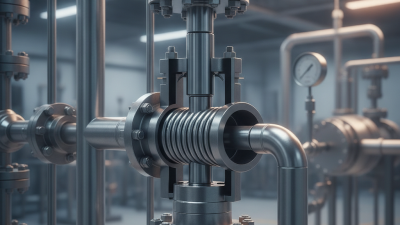
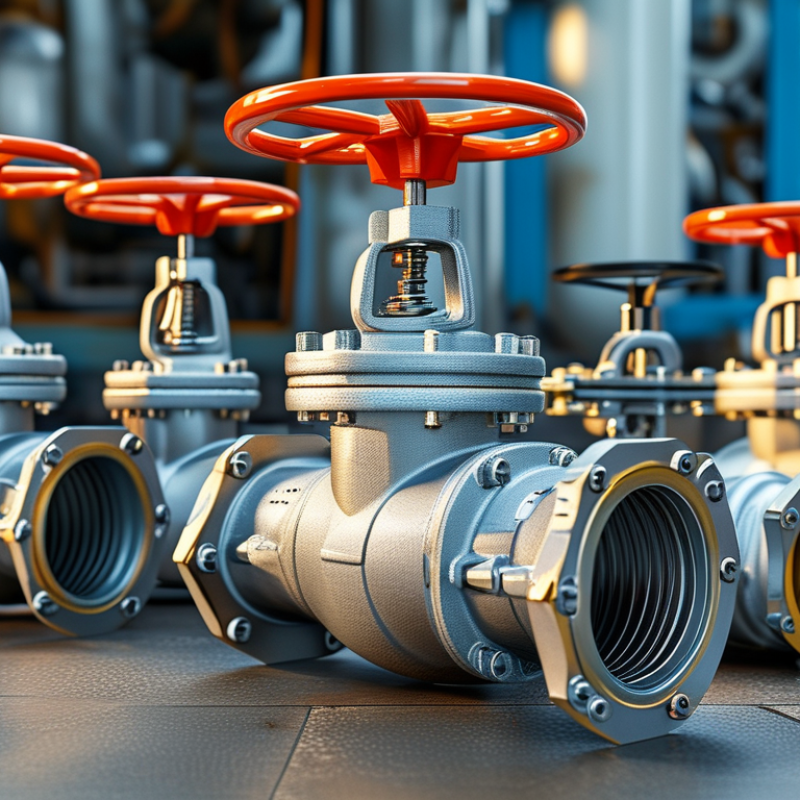
Bellows valves play a crucial role in many industrial applications. Their design helps to handle various challenges, such as high pressure and temperature. The primary function of a bellows valve is to provide a tight seal, preventing leakage in sensitive processes. This is vital in systems dealing with corrosive or hazardous fluids.
Understanding how bellows valves work is essential for making informed decisions. The bellows act as a flexible barrier, expanding and contracting without wearing out. This feature is particularly useful in applications that require frequent cycling. However, not all bellows valves are created equal. It’s important to assess material compatibility, operating conditions, and the specific demands of your system.
While selecting the right bellows valve, consider the potential for cavitation or thermal shock. These factors can affect valve performance. Regular maintenance and monitoring can mitigate these issues but may also require a reevaluation of your choice. Choosing the right valve is not always straightforward; it involves careful consideration and sometimes trial and error. Each application has unique needs, making it necessary to reflect on your specific requirements before making a decision.
Identifying Your Specific Application Requirements for Bellows Valves
When selecting a bellows valve, understanding the specific application requirements is critical. The right valve needs to meet the demands of pressure, temperature, and flow rate in your system. For instance, studies indicate that over 40% of valve failures arise from misapplication. Thus, compatibility with the fluid's characteristics is essential. Bellows valves are often chosen for high-purity applications, where contamination must be minimized. Their design allows for tight sealing, reducing the risk of leaks and ensuring system integrity.
Temperature tolerance is another factor to consider. Many bellows valves can handle extreme conditions, but not all are rated equally. A report from a prominent industry association notes that 25% of valve performance issues stem from exceeding temperature limits. Users should evaluate the maximum and minimum temperatures that their application may encounter. Proper material selection is crucial for both chemical compatibility and durability.
Flow rate is also a significant aspect. A mismatch can lead to efficiency losses or excessive wear. Depending on the application, the valve must support specific flow requirements. Understanding these parameters enhances reliability. However, finding the ideal bellows valve necessitates careful consideration. Many professionals recommend consulting with technical experts to avoid costly mistakes.
Evaluating Material Compatibility and Performance Factors
Choosing the right bellows valve requires careful consideration of material compatibility and performance factors. The materials used in bellows valves must withstand the demands of specific applications. For instance, common materials include 316 stainless steel, which offers excellent corrosion resistance. According to industry reports, over 60% of valve failures result from material incompatibility. This can lead to leaks and costly downtimes.
Performance factors are equally important. Temperature and pressure ratings directly influence a valve's lifespan. For example, high-temperature applications may require special alloys or coatings. A study revealed that valves in extreme conditions face up to a 30% increase in wear. This can significantly impact their reliability and performance over time.
Throughout the selection process, it’s vital to evaluate all environmental factors. Lack of proper assessment may lead to unforeseen challenges. Instances of premature valve failure often stem from inadequate testing. Users need to ensure that all performance metrics align with their specific operating conditions. Understanding these elements can prevent future complications and ensure optimal functionality.
Comparing Different Types of Bellows Valves Available on the Market
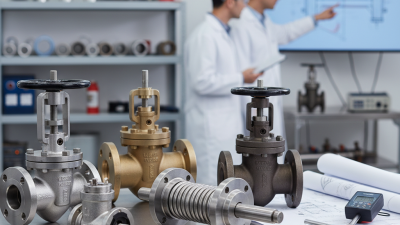
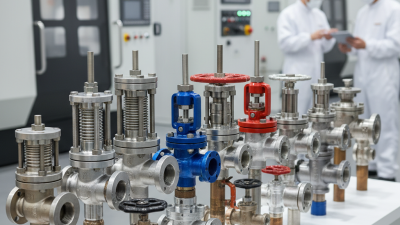
When selecting a bellows valve, understanding the different types is crucial. The market offers several designs, including metallic and non-metallic options. Each type serves distinct functions and industries. Metallic bellows valves are known for their durability and ability to handle extreme conditions. They excel in high-pressure applications. Non-metallic options, however, are often preferred in corrosive environments. They help prevent contamination.
Performance is another aspect to consider. Some bellows valves feature a smooth flow path, minimizing turbulence. This can enhance operational efficiency. Other models focus on leakage prevention, utilizing advanced seals. While this improves reliability, it can also lead to maintenance challenges. Users often find themselves weighing the benefits of reduced leakage against potential service issues.
Installation and compatibility are also relevant. Ensure the chosen valve fits your piping system seamlessly. Some models may require specific fittings or installation tools. This could complicate the process if not planned properly. Balancing quality and ease of use can be difficult. Take time to analyze your choices, ensuring a well-informed decision.
How to Choose the Right Bellows Valve for Your Needs? - Comparing Different Types of Bellows Valves Available on the Market
| Type of Bellows Valve |
Application |
Temperature Range (°C) |
Pressure Range (bar) |
Material |
| Metal Bellows Valve |
High-pressure applications |
-50 to 200 |
Up to 100 |
Stainless Steel |
| Plastic Bellows Valve |
Chemical processing |
-20 to 60 |
0 to 10 |
PVC |
| Rubber Bellows Valve |
Water and wastewater management |
-30 to 80 |
0 to 5 |
EPDM |
| Hygienic Bellows Valve |
Food and beverage industry |
0 to 150 |
Up to 10 |
316L Stainless Steel |
Key Considerations for Proper Installation and Maintenance of Bellows Valves
When it comes to the installation and maintenance of bellows valves, attention to detail is crucial. The first step is to ensure a proper alignment during installation. Misalignment can lead to premature wear and tear. Use a level to check the valve positioning. A simple check can prevent bigger issues later on.
After installation, regular inspection is key. Look for signs of leakage around the bellows. Even small leaks can signal a problem that requires immediate attention. Cleaning the valve regularly is also important. Debris can cause blockages and affect performance. Don’t overlook the gaskets and seals; they need to be in good condition to avoid failures.
In maintenance, it’s wise to schedule periodic checks. Over time, materials may degrade due to environmental factors. Ignoring this could lead to costly repairs or replacements. If possible, keep a log of maintenance activities. Reflecting on past issues can provide insights for future improvements.