2026 Top Valve Body Gasket Buying Guide and Tips?
In the world of automotive engineering, the significance of the Valve Body Gasket cannot be overstated. Recent industry reports indicate that improper gasket installation can lead to significant performance issues, affecting vehicle reliability and safety. Expert engineer, John Reynolds, emphasizes, "A quality gasket is crucial for the optimal functioning of any valve body system." His insight highlights the need for careful selection and installation of these components.
Statistics show that nearly 30% of engine failures can be traced back to faulty gaskets. This underscores the necessity of understanding gasket selection. When purchasing a Valve Body Gasket, it’s vital to consider material properties, compatibility, and specific engine requirements. Often, consumers overlook these aspects, leading to costly repairs down the line.
As you explore options in our 2026 Top Valve Body Gasket Buying Guide, remember that informed decisions can save you time and money. Striking the perfect balance between quality and cost is essential. Be prepared to face challenges in this selection process, as what seems like a simple part can greatly impact overall performance.
Understanding the Function and Importance of Valve Body Gaskets
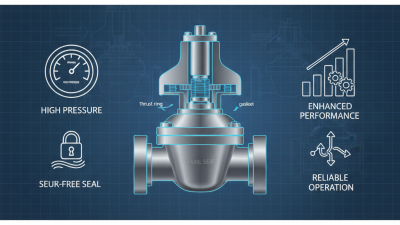
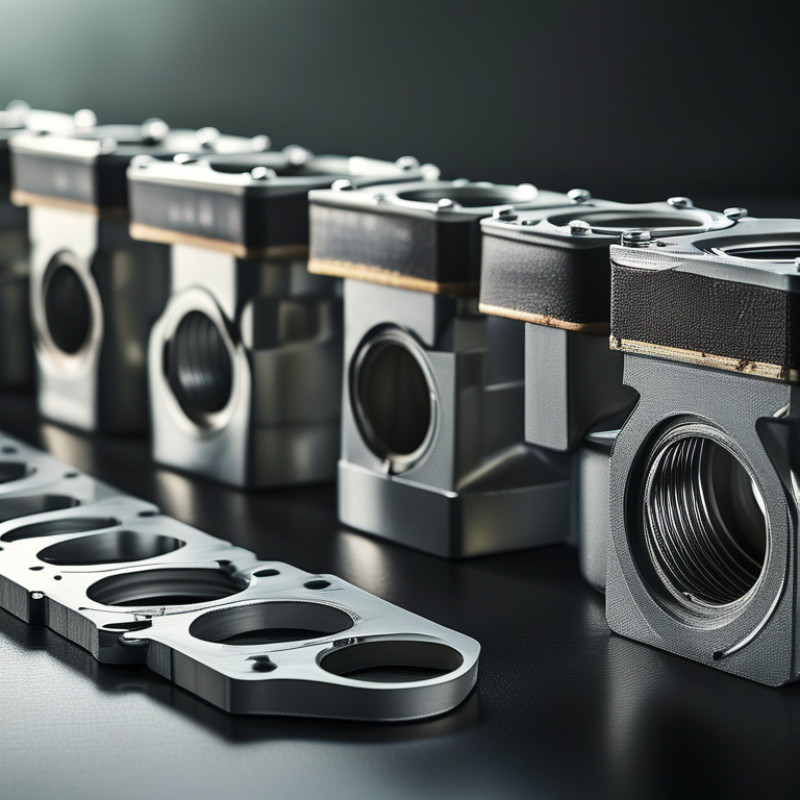
Valve body gaskets play a crucial role in the efficiency of your vehicle's transmission system. These gaskets create a vital seal between the valve body and the transmission case. This seal prevents fluid leaks and ensures proper hydraulic pressure. A well-functioning gasket directly impacts shifting performance, enhancing the overall driving experience. As such, understanding their importance is essential for vehicle maintenance.
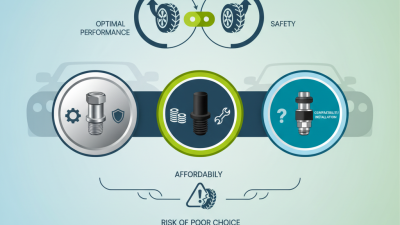
Choosing the right valve body gasket is not as straightforward as it seems. Many factors require consideration, such as material quality and thickness. A poorly fitted gasket can lead to fluid leaks or transmission overheating. Professional guidance can help you navigate these options. Look for resources or mechanics with experience in transmissions. They may have insights that save time and money.
Gasket failures often arise from neglect or improper installation. Regularly inspecting your transmission can prevent issues before they escalate. Take care to monitor fluid levels and watch for unusual signs. If you experience slipping or delayed shifting, the gasket may be a suspect. Addressing small flaws now can prevent costly repairs later on.
2026 Valve Body Gasket Performance Metrics
This chart illustrates the performance metrics of different valve body gasket materials based on durability, resistance to temperature, and cost-effectiveness. Understanding these parameters is essential for making informed purchasing decisions.
Key Factors to Consider When Choosing Valve Body Gaskets
When selecting valve body gaskets, several key factors warrant attention. The material of the gasket is crucial. Options like rubber and silicone may offer different levels of durability and heat resistance. Consider the specific environment where the gasket will operate. High-temperature applications may need specialized materials.
Gasket thickness is another important detail. A thicker gasket can provide better sealing, yet it might be more challenging to fit. Always measure the original gasket beforehand to ensure compatibility.
Here are a couple of tips:
- Inspect the surfaces being sealed. Cleanliness can greatly affect performance.
- Do not overlook the importance of torque specifications. Incorrect torque can lead to leaks.
Taking time to reflect on these factors can prevent future issues and improve performance.
Top Brands and Manufacturers of Valve Body Gaskets for 2026
When it comes to purchasing valve body gaskets in 2026, choosing the right brand is crucial. Not all manufacturers uphold the same standards. Some companies focus on cost-cutting, which can lead to quality issues. A reliable valve body gasket ensures a proper seal and can prevent leaks. This is essential for vehicle performance.
Leading brands in the market often use advanced materials for durability. Look for gaskets made from high-quality rubber or specialized synthetic compounds. These materials not only ensure longevity but also withstand high pressures. Evaluating manufacturing processes can give insights into quality. Some brands prioritize innovative technology, which enhances gasket reliability significantly.
While there are many options, not every product will meet your needs. It’s essential to read reviews and gather feedback from trusted sources. Understanding the specifics of your vehicle model also plays a vital role. A gasket that works well on one engine may not fit another. Therefore, thorough research and careful consideration are key to making the right choice.
Common Materials Used in Valve Body Gasket Production
When selecting a valve body gasket, understanding materials is vital. Various materials affect performance, durability, and compatibility. Common types include rubber, silicone, and metal. Each has unique properties that suit different applications.
Rubber gaskets are popular due to their flexibility. They seal well and can handle moderate temperatures. However, they may degrade over time when exposed to certain chemicals. Silicone gaskets, on the other hand, are heat-resistant and maintain their shape better. They work well in high-pressure environments but can be more expensive.
Here are some tips for choosing the right material. Check compatibility with your specific fluids. Also, consider temperature ranges your gasket will encounter. Metal gaskets offer strength but can be less effective in extreme temperature variations. Don't rush the decision; testing samples can provide insights.
Maintenance Tips to Extend the Life of Valve Body Gaskets
Valve body gaskets play a crucial role in maintaining transmission functionality. Proper maintenance can significantly extend their lifespan. According to industry reports, a well-maintained valve body gasket can last up to 100,000 miles. However, neglecting maintenance can lead to premature failure.
Regular inspections are vital. Look for signs of wear, such as cracks or leaks. A small leak can worsen over time. Many experts recommend replacing gaskets every 50,000 miles as a preventive measure. This proactive approach can prevent costly repairs down the line. Use a reliable torque wrench to ensure proper seal tightness during installation.
Fluid condition is another key factor. Old, contaminated fluid can damage gaskets. Regular fluid changes, ideally every 30,000 miles, help maintain gasket integrity. Always use recommended fluid types to avoid chemical degradation. Simple practices like these can prolong the life of your valve body gaskets and enhance overall transmission performance.