2026 Best Anti-Blowout Stem Innovations for Enhanced Performance?
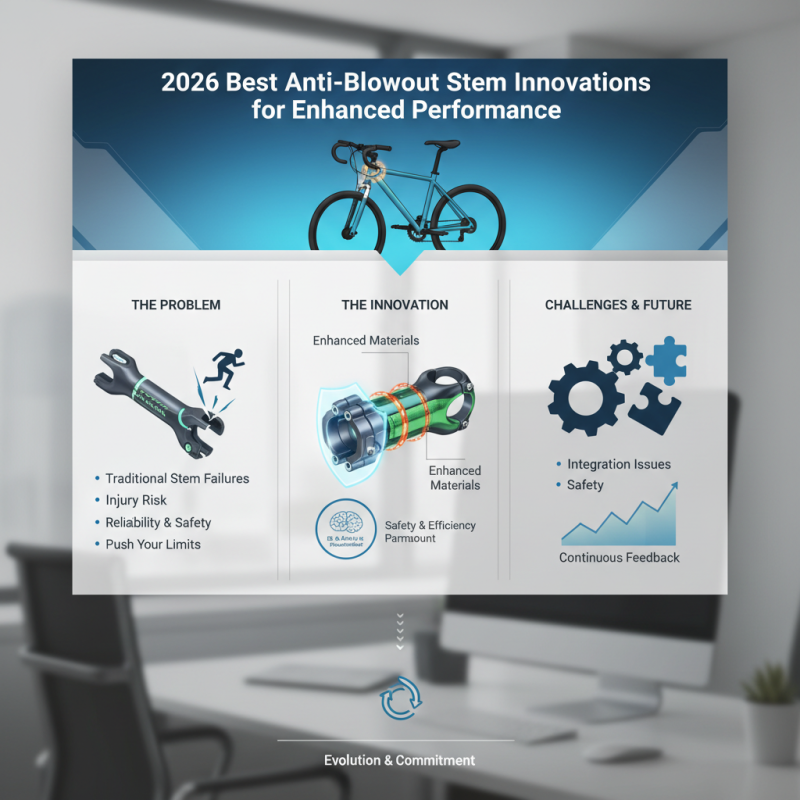
In the world of advanced cycling technology, "Anti-Blowout Stem" innovations are reshaping performance standards. Dr. Emily Carter, a leading expert in cycling dynamics, has stated, "Safety and efficiency are paramount in today's bike design." This insight highlights the crucial need for superior products.
Many cyclists face the risk of traditional stem failures. Such incidents can lead to injuries and lost performance. The Anti-Blowout Stem aims to address these issues. With enhanced materials and designs, this innovation offers greater reliability. Riders can push their limits with confidence.
However, the journey is not without challenges. Not all designs can seamlessly integrate into existing systems. Some users report initial discomfort or adjustments needed. Continuous feedback is essential for improvement. The evolution of the Anti-Blowout Stem reflects a commitment to safety while maintaining high performance standards.
Top Anti-Blowout Stem Innovations Dominating the Market in 2026
The anti-blowout stem technology is evolving rapidly in 2026. Innovations in materials and design are leading to significant performance improvements. According to a recent industry report, the market for advanced anti-blowout systems is projected to grow by 15% annually. This trend reflects the increasing need for reliability in high-pressure applications.
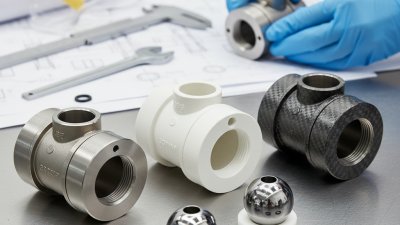
One prominent advancement involves the use of composite materials. These materials exhibit enhanced strength-to-weight ratios. They reduce blowout risks while improving operational efficiency. Reports indicate that integrating reinforced polymer composites can decrease failure rates by up to 30%. However, the challenge remains in balancing cost and performance. Many solutions still require further refinement.
Another noteworthy development is the shift towards adaptive technology. Sensors are now being integrated to monitor pressure in real-time. This allows for proactive adjustments, significantly reducing the risk of blowouts. However, the reliability of these systems can vary. Some reports indicate that they might not always perform under extreme conditions. This raises questions about their durability and effectiveness over time. The industry must continue to innovate while addressing these critical concerns.
Key Features of Next-Generation Anti-Blowout Stem Technologies
In the realm of anti-blowout stem innovations, new technologies are transforming performance standards. These innovations prioritize safety while enhancing durability. Advanced materials are now being utilized. These materials withstand extreme pressure and temperature variations. Users can feel confident in their equipment under tough conditions.
A prominent feature of next-generation designs is the integrated locking mechanisms. These prevent accidental disengagement during use. Simplicity is crucial, yet many designs can be overwhelming. Users sometimes struggle to operate them correctly. That’s where ongoing refinement is necessary.
Another key aspect is the focus on streamlined shapes. This reduces turbulence and drag in various applications. However, achieving the perfect balance between functionality and aesthetics can be challenging. Designers often wrestle with trade-offs between beauty and utility. Improvements are ongoing, and feedback loops with users can help make these technologies even better.
Impact of Material Advancements on Performance Enhancement
Material advancements are reshaping the design of anti-blowout stems. New composites and lightweight metals play a crucial role. These materials enhance durability and flexibility, providing better energy transfer. They can help reduce vibration, which improves control. Local manufacturers experiment with various blends to achieve the best results. However, there are challenges in balancing weight and strength.
As the industry evolves, feedback is essential. Some users report that certain materials do not perform as expected under extreme conditions. Testing improves the product. Not all innovations lead to success on the first try. It’s a learning process. User experiences highlight the importance of real-world applications. Manufacturers can overlook nuances that affect performance.
The quest for perfection is ongoing. Even the best materials can fail under stress. Each design iteration leads to insights. There is room for improvement. Exploring unconventional materials could lead to breakthroughs. Engaging with users can guide this exploration, helping to refine designs and enhance performance.
User Experience: Feedback on 2026 Anti-Blowout Stem Products
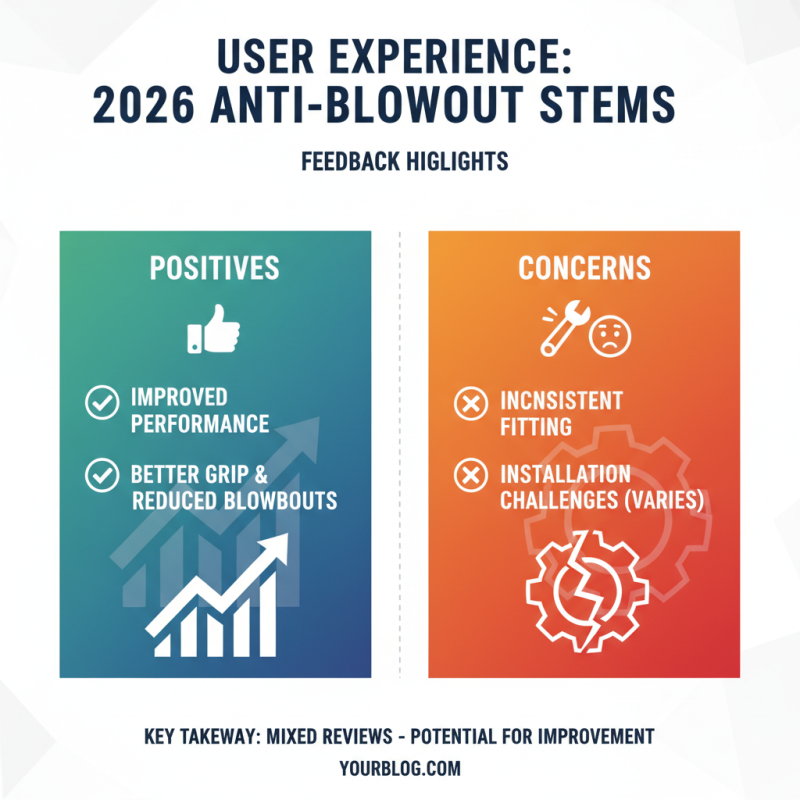
User feedback on 2026 anti-blowout stems reveals a mix of satisfaction and concerns. Many users report improved performance. They appreciate better grip and reduced blowouts. However, some experiences highlight issues like inconsistent fitting. Not everyone finds the installation straightforward. Ease of use varies significantly across different models.
A common request among users is for clearer instructions. Several mentioned trial and error before achieving proper installation. Despite the advancements, some users still encounter unexpected blowouts. Reliability remains a vital aspect that needs further testing. Performance in extreme conditions often falls short of expectations.
Users valued the lightweight nature of these new designs. This contributes to overall performance, especially for long rides. However, some express a desire for more durability. It's clear that while innovations are promising, user experiences show room for improvement. Feedback serves as a crucial tool for developing future enhancements.
Future Trends in Anti-Blowout Stem Innovations and Technologies
The future of anti-blowout stem innovations is exciting yet complex. Many emerging technologies aim to enhance performance and reliability. Innovative materials are being tested, including advanced composites. These materials can reduce weight while maintaining strength. Manufacturers are exploring dynamic pressure monitoring systems as well. These systems adapt in real time, potentially preventing failures.
However, challenges remain. Designing a stem that balances performance and safety is no easy task. Some innovations may face durability issues under extreme conditions. Research into long-lasting seals and joints is crucial. These components often fail, leading to blowouts. Engineers are working tirelessly to refine these elements.
Furthermore, the integration of smart technology raises concerns. Real-time monitoring can prevent accidents but adds complexity. Users must learn to interact with these systems effectively. As the industry moves forward, ongoing reflection and revision are essential. This evolution will shape the future landscape of anti-blowout stem technologies.